2 Prefix (Substituents) | 1 Prefix (Cyclo) | Main Chain | 1 Suffix (Saturation/Unsaturation) | 2 Suffix (Functional Group) |
|---|---|---|---|---|
fluoro-, chloro-, bromo-, iodo-, nitro-, methyl-, ethyl-, etc. | cyclo- (for cyclic structures) | Word root (meth-, eth-, prop-, but-, pent-, hex-, hept-, oct-, non-, dec-) | -ane (single bond)-ene (double bond)-yne (triple bond) | -ol (alcohol)-al (aldehyde)-one (ketone)-oic acid (carboxylic acid)-amide (amide)-nitrile (cyanide) |
2-chloro-3-methyl- | cyclo- | hex- | -ene | -ol |
Fig.2-chloro-3-methyl-cyclohexenol | ||||
📚
MAIN CHAIN
- Selection of parent chain
- Identify the longest continuous chain of carbon atoms.
- If a functional group is present, select the longest chain that includes the carbon atom of the functional group.
- If a multiple bond (double or triple) is present, the parent chain must include the maximum number of multiple bonds.
- If two or more chains of equal length are possible, select the chain containing:
- a functional group carbon (if any)
- the greatest number of multiple bonds
- the greatest number of substituents
- Numbering the parent chain
- Number the carbon chain from the end nearest to the functional group carbon.
- If no functional group is present, start numbering from the end nearest to a multiple bond.
- If no functional group and no multiple bond are present, start from the end nearest to a substituent.
- If two or more substituents are present and no F.G. or multiple bond exists, apply the 'lowest set of locants' rule.
- Naming substituents
- Identify and name all substituents attached to the parent chain.
- If more than one identical substituent is present, use prefixes such as di-, tri-, tetra-, etc.
- List substituents in alphabetical order when writing the name.
- Position of multiple bonds and functional groups
- Indicate the position of double or triple bonds by the lower-numbered carbon atom of the bond.
- If both double and triple bonds are present, give the lowest locant set to double bonds first (–ene before –yne in naming).
- Functional group gets the highest priority in numbering and naming.
- Writing the complete name
- Combine substituent names with their locants, listed in alphabetical order.
- Add parent chain name with suffix indicating multiple bonds (-ane, -ene, -yne).
- Finally, add the primary functional group suffix with its locant (if required).
Locant rule
The sum of all the numbering of substituents.
S.N. | Number of Carbon Atoms | Word Root | Example (Alkane) |
|---|---|---|---|
1 | 1 | meth- | Methane (CH4) |
2 | 2 | eth- | Ethane (C2H6) |
3 | 3 | prop- | Propane (C3H8) |
4 | 4 | but- | Butane (C4H10) |
5 | 5 | pent- | Pentane (C5H12) |
6 | 6 | hex- | Hexane (C6H14) |
7 | 7 | hept- | Heptane (C7H16) |
8 | 8 | oct- | Octane (C8H18) |
9 | 9 | non- | Nonane (C9H20) |
10 | 10 | dec- | Decane (C10H22) |
S.N. | Functional Group | Formula | Prefix | Suffix |
|---|---|---|---|---|
1 | Carboxylic acid | -COOH | carboxy- | -oic acid |
2 | Sulphonic acid | -SO3H | sulpho- | -sulphonic acid |
3 | Acid anhydride | -CO-O-CO- | alkanoyloxycarbonyl- | -oic anhydride |
4 | Esters | -COOR | alkoxycarbonyl- | -oate |
5 | Acid chloride | -COCl | chlorocarbonyl- | -oyl chloride |
6 | Amide | -CONH2 | carbamoyl- | -amide |
7 | Cyanide | -CN | cyano- | -nitrile |
8 | Isocyanide | -NC | isocyano- | -isocyanide |
9 | Aldehyde | -CHO | formyl- | -al |
10 | Ketone | -CO- | oxo- | -one |
11 | Alcohol | -OH | hydroxy- | -ol |
12 | Thioalcohol (Thiol) | -SH | mercapto- | -thiol |
13 | Amine | -NH2 | amino- | -amine |
14 | Alkene | -C=C- | alkenyl- | -ene |
15 | Alkyne | -C≡C- | alkynyl- | -yne |
S.N. | Substituent | Formula | Prefix |
|---|---|---|---|
1 | Fluoro | -F | fluoro- |
2 | Chloro | -Cl | chloro- |
3 | Bromo | -Br | bromo- |
4 | Iodo | -I | iodo- |
5 | Nitro | -NO2 | nitro- |
6 | Nitroso | -NO | nitroso- |
7 | Diazo | -N2 | diazo- |
8 | Alkyl (Methyl) | -CH3 | methyl- |
9 | Alkoxy | -OR | alkoxy- |
10 | Ethoxy | -OC2H5 | ethoxy- |
11 | Epoxy | -O- (cyclic ether) | epoxy- |
12 | Phenyl | -C6H5 | phenyl- |
📚
CLASSIFICATION OF ORGANIC COMPOUNDS
▢ Acyclic (Open Chain) Compounds:
Also known as aliphatic compounds, these consist of straight or branched chains of carbon atoms.
❖ Saturated Compounds:
- Contain only single carbon-carbon (C–C) bonds.
- General formula: CnH2n+2 (alkanes).
- Carbon atoms are tetrahedral (sp3 hybridized).
- Highly stable and less reactive.
- Examples:
- Methane (CH4)
- Ethane (C2H6)
- Propane (C3H8).
❖ Unsaturated Compounds:
- Contain at least one double (C=C) or triple (C≡C) bond.
- General formula: CnH2n (alkenes) or CnH2n-2 (alkynes).
- Planar geometry around double bonds (sp2) and linear around triple bonds (sp).
- More reactive due to the presence of weaker π-bonds.
- Examples:
- Ethene (C2H4)
- Propene (C3H6)
- Ethyne (C2H2).
▢ Cyclic (Closed Chain) Compounds:
Compounds containing one or more closed rings of atoms in their structure.
❖ Homocyclic (Carbocyclic) Compounds:
Ring compounds containing only carbon atoms in the ring skeleton.
◉ Alicyclic Compounds:
- Aliphatic cyclic compounds that resemble open-chain compounds in their properties but exist in a ring form.
- They do not possess aromatic character.
- Examples:
- Cyclopropane (C3H6)
- Cyclobutane (C4H8)
- Cyclohexane (C6H12).

Fig.Benzenehexachloride
◉ Aromatic Compounds:
Cyclic, planar molecules with delocalized π-electron systems that follow Hückel's Rule (4n+2 π-electrons).
◈ Benzenoid Aromatic Compounds:
- Contain at least one benzene ring in their structure.
- Highly stable due to resonance energy.
- Examples:
- Benzene (C6H6)
- Naphthalene (C10H8)
- Anthracene (C14H10).
- β-naphthol (C10H8O).
- Hexachlorobenzene (C6Cl6).

Fig.Benzene
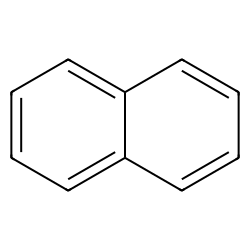
Fig.Naphthalene

Fig.Anthracene
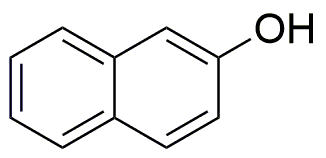
Fig.β-naphthol

Fig.Hexachlorobenzene
◈ Non-benzenoid Aromatic Compounds:
- Aromatic compounds that do not contain a benzene ring but still possess a stable conjugated π-system following Hückel's rule.
- Examples:
- Tropolone
- Azulene

Fig.Tropolone
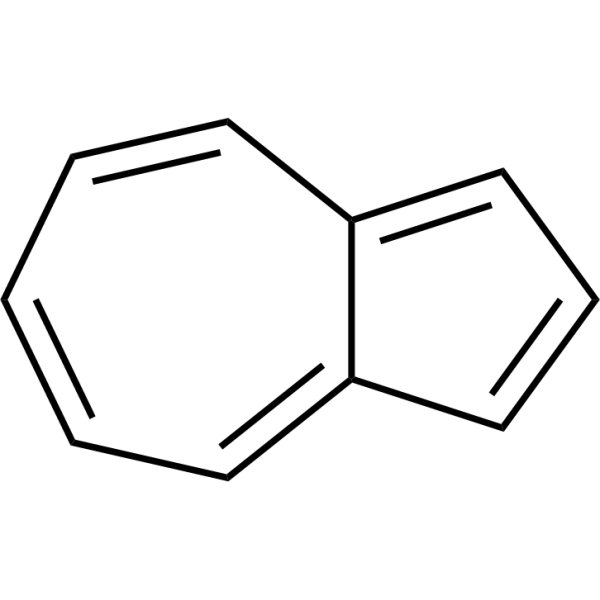
Fig.Azulene
❖ Heterocyclic Compounds:
◉ Aromatic Heterocycles:
- These are cyclic, planar molecules containing one or more heteroatoms (such as N, O, or S) in the ring skeleton.
- Examples:
- Pyrrole (contains N)
- Furan (contains O)
- Thiophene (contains S)
- Pyridine (contains N)

Fig.Pyrrole

Fig.Furan
Fig.Thiophene

Fig.Pyridine
◉ Non-aromatic (Alicyclic) Heterocycles:
- These are cyclic compounds containing heteroatoms in the ring but lacking a conjugated aromatic system.
- They resemble open-chain aliphatic compounds in their chemical properties and reactivity.
- Examples:
- Pyrrolidine (Tetrahydropyrrole)
- Tetrahydrofuran (THF)
- Tetrahydrothiophene
- Piperidine
- 1,4-Dioxane
- Epoxyethane
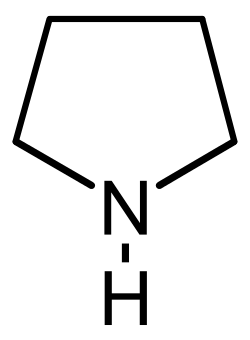
Fig.Pyrrolidine
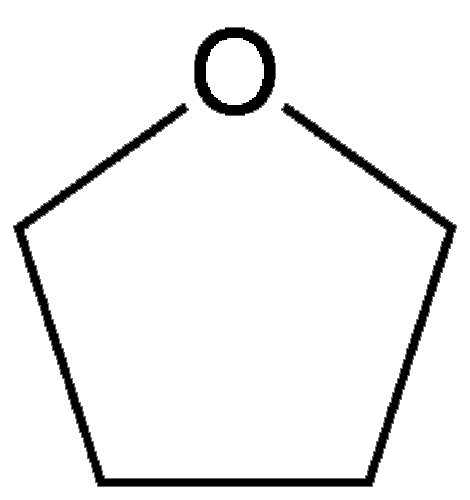
Fig.Tetrahydrofuran
Fig.Tetrahydrothiophene
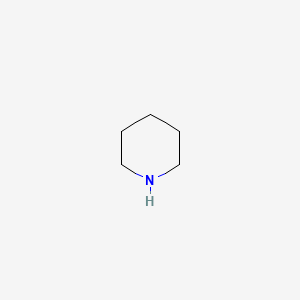
Fig.Piperidine
Fig.1,4-Dioxane

Fig.Epoxyethane
Q1.
Which of the following is an aromatic compound?
Q2.
Which of the following is homocyclic aromatic compound?
Q3.
Which of the following is heterocyclic aromatic compound?
Q4.
Which of the following is an aromatic heterocyclic compound?
Q5.
Which of the following is/are alicyclic heterocyclic compounds?
Q6.
Which of the following is not a carbocyclic compound?
Q7.
An example of alicyclic compound is
Q8.
Which of the following does not contain fused benzene rings?
Q9.
A compound with molecular formula C₄H₄O has all four carbon atoms and one oxygen atom in the ring. It also has two double bonds. The compound is
Q10.
Which of the following is heterocyclic aromatic species?
Q11.
The structural formula of cyclohexyl alcohol is
Q12.
Vinyl carbinol is
Q13.
Aromatic character of benzene is proved by
Q14.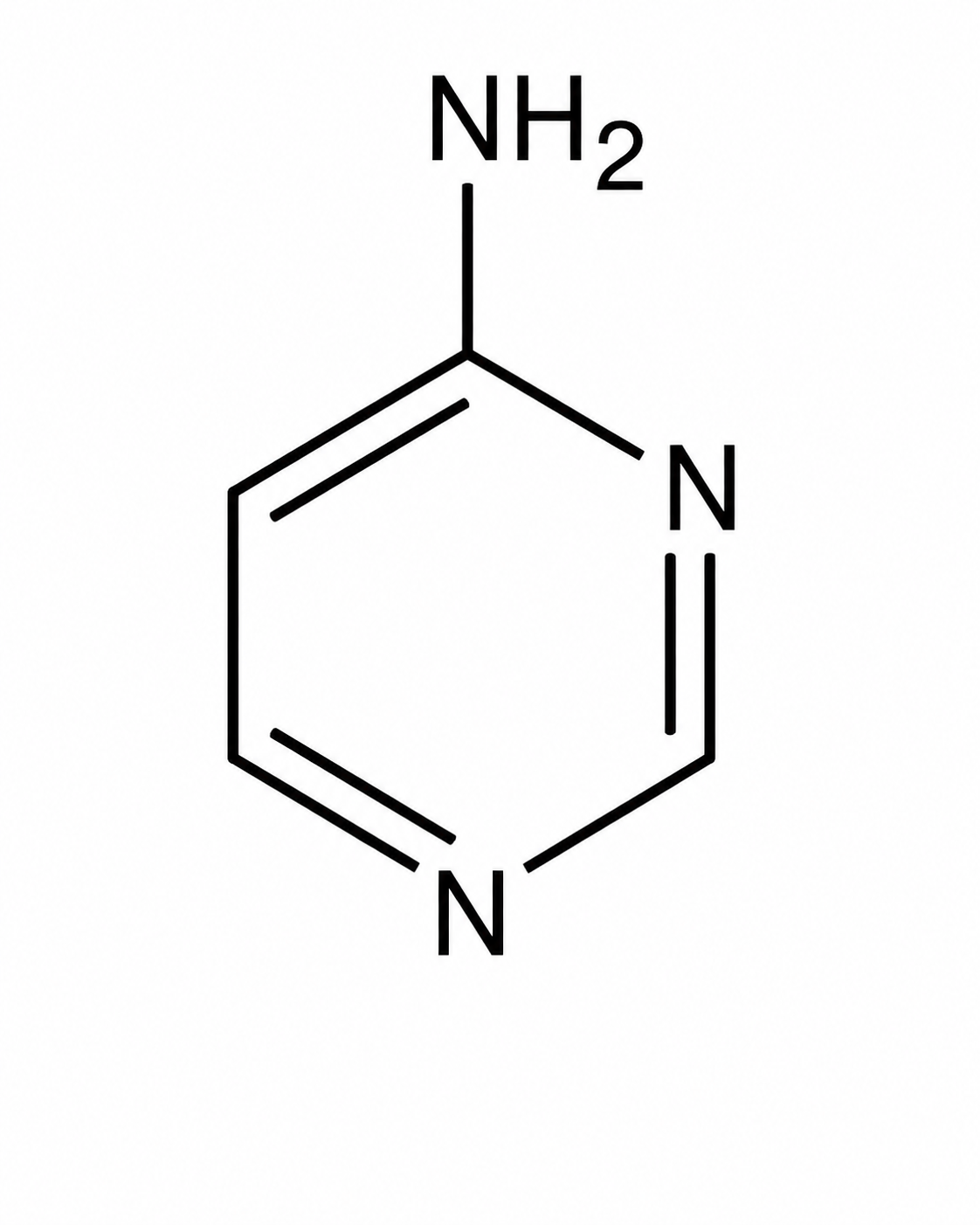
The hetero atoms present in the following compoound is/are
Q15.
Which of the following is a heterocyclic compound?
Q16.
Which of the following is a heterocyclic compound?
Q17.
Which of the following is an aromatic compound?
Q18.
Which of the following is an aromatic heterocyclic compound?
Q19.
Which of the following is not a carbocyclic compound?
Q20.
Which of the following is aromatic heterocyclic species?
Q21.
The structure representing a heterocyclic compoound is:
Q22._1779819272716.png)
Q23.
Among the following the aromatic compound is:
Q24.
Which of the following is not aromatic compound:
Q25.
Which of the following is not an aromatic species?
Q26.
An aromatic molecule will
Q27.
The number of olefinic bonds in CH₂=CH–CO–CH=CH–C≡N is
Q28.
Organic cyclic compounds possessing the properties of aliphatic compounds are called
Q29.
Heterocyclic compound means
Q30.
Which of the following represents the benzal group?
📚
ADDITIONAL QUESTIONS
Q1.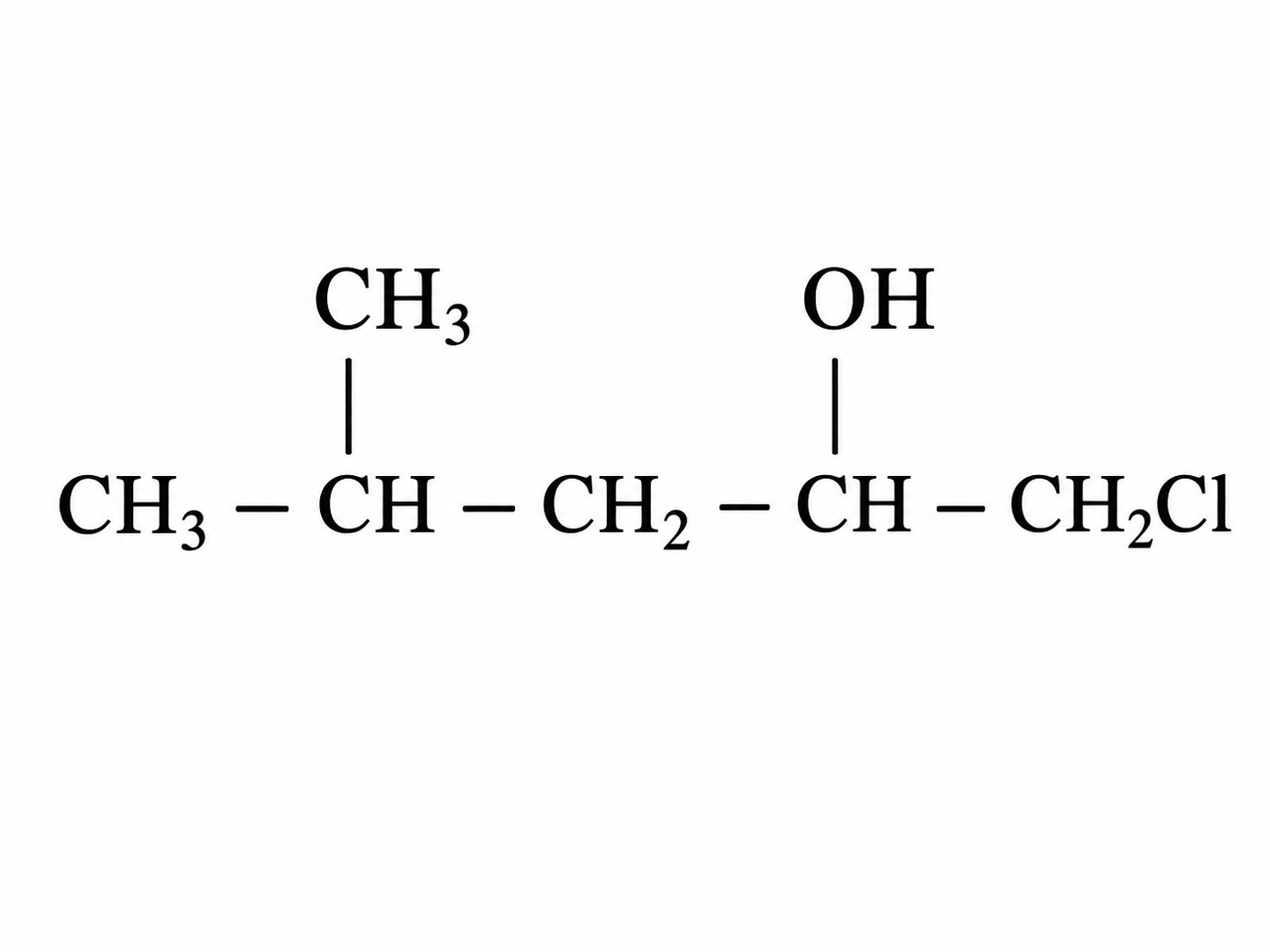
Name the organic compound:
Q2.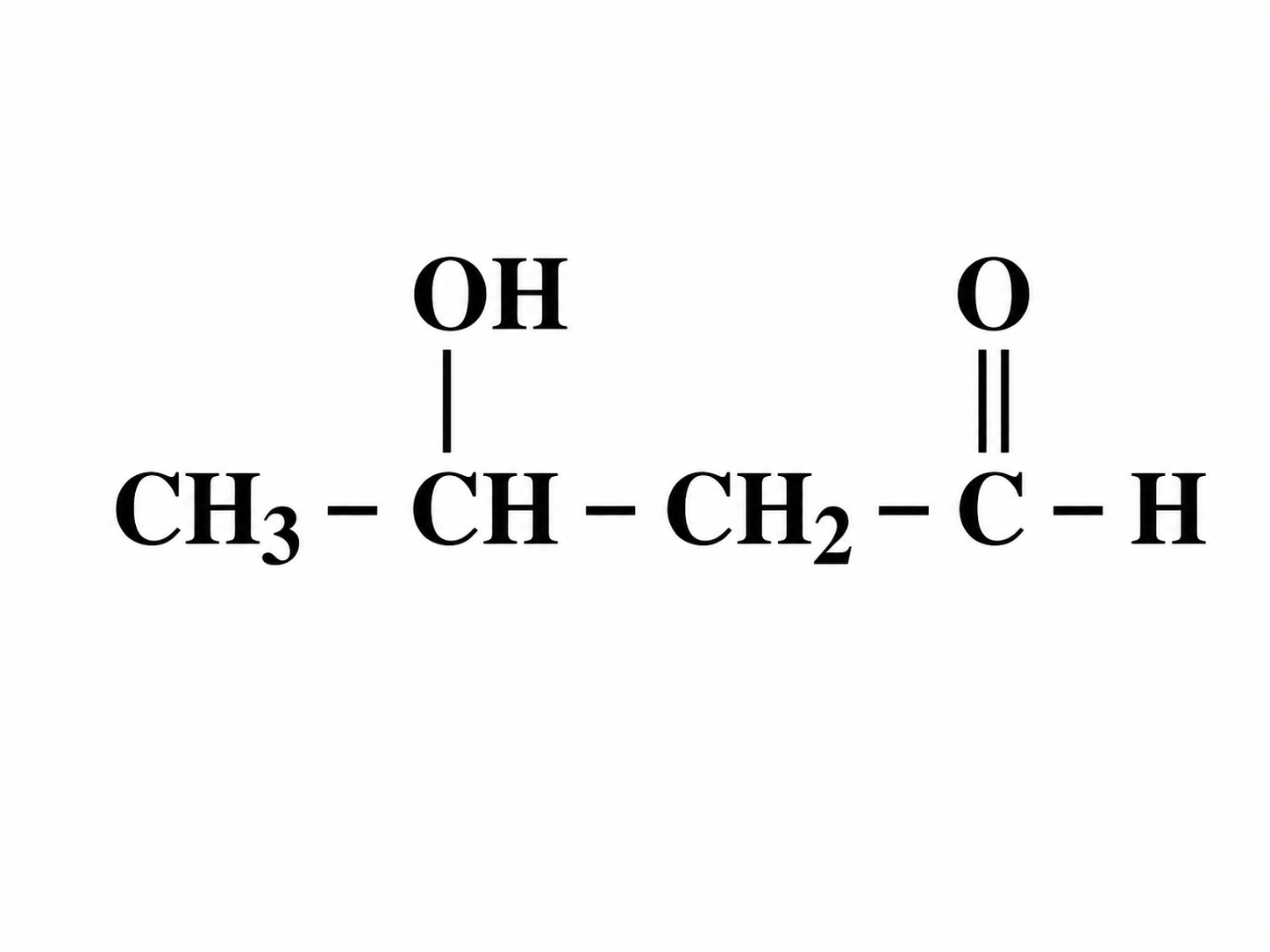
Name the organic compound:
Q3.
Q4.
The IUPAC name of acraldehyde is:
Q5.
Q6.
Q7.
The IUPAC name of tert-butyl chloride is:
Q8.
Name of the compound as per IUPAC system is:
Q9.
Q10.
Q11.
Q12.
Which one of the following IUPAC name is correct?
Q13.
Q14.
Q15.
Q16.
Q17.
Q18.
The lowest alkane which has ethyl group as substituent as IUPAC name:
Q19.
IUPAC name of methyl carbinol is:
Q20.
Q21.
Q22.
Q23.
Q24.
Q25.
Q26.
IUPAC name of D.D.T. is:
Q27.
The formula of Freon-12 is:
Q28.
IUPAC name of mesitylene is:
Q29.
Which of the following groups is always taken as a substituent in the nomenclature?
Q30.
Conjugated double bond is present in:
Q31.
Q32.
Q33.
The IUPAC name for isobutyl group is:
Q34.
The IUPAC name of tert-butyl group is:
Q35.
Q36.
3-Phenylprop-2-enoic acid is IUPAC name of:
Q37.
Q38.
Q39.
Q40.
Q41.
Which among the following is the correct IUPAC name of isoamylene?
Q42.
Q43.
The family to which methoxyethene belongs is:
Q44.
The correct IUPAC name of acetonitrile is:
Q45.
Q46.
Q47.
Q48.
Q49.
Q50.
Q51.
A student named the compound as 1,4-butadiene.
Q52.
Which of the following structure represents 2,2,3-trimethylhexane?
Q53.
Q54.
Q55.
The structure of 4-methylpent-2-en-1-ol is:
Q56.
Q57.
Q58.
Q59.
Q60.
Q61.
The IUPAC name of the compound shown is:
Q62.
Q63.
Q64.
Q65.
Q66.
Q67.
Q68.
Q69.
Q70.
Q71.
Q72.
Q73.
Q74.
IUPAC name of the given compound is:
Q75.
Q76.
Q77.
Q78.
Q79.
Q80.
Q81.
Q82.
Q83.
Q84.
Q85.
Q86.
Q87.
Q88.
Q89.
Q90.
Q91.
Q92.
The IUPAC name of tert-butyl chloride is:
Q93.
The IUPAC name of acraldehyde is:
Q94.
Q95.
Q96.
The structural formula of 2-ethyl-2-butene is:
Q97.
Q98.
Q99.
Q100.
Q101.
The correct nomenclature IUPAC for the following alcohol is:
Q102.
Q103.
Q104.
Q105.
Q106.
The correct IUPAC name of phenetole is:
Q107.
The compound which has one isopropyl group is:
Q108.
Q109.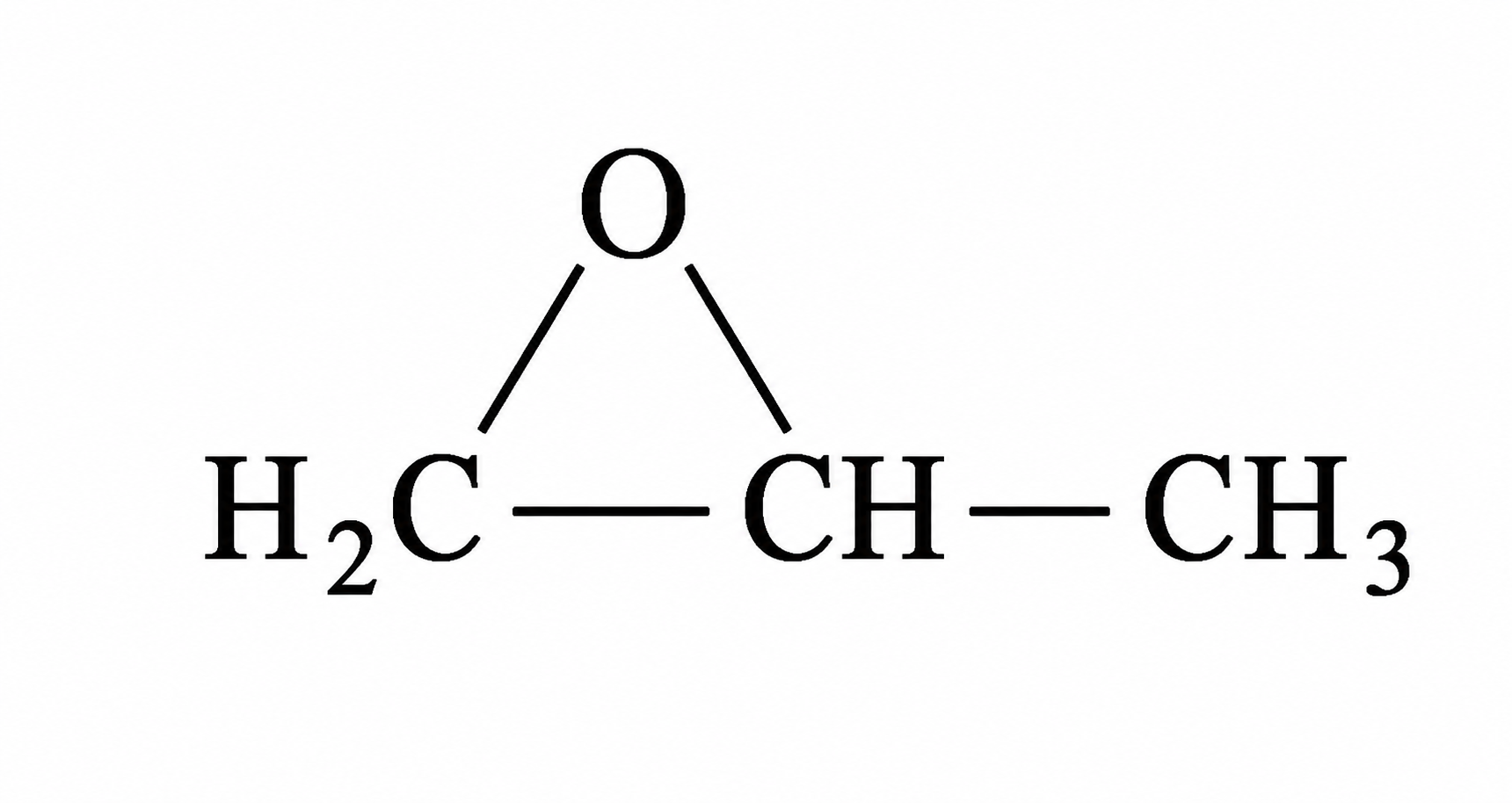
The IUPAC name of the compound shown below is:
Q110.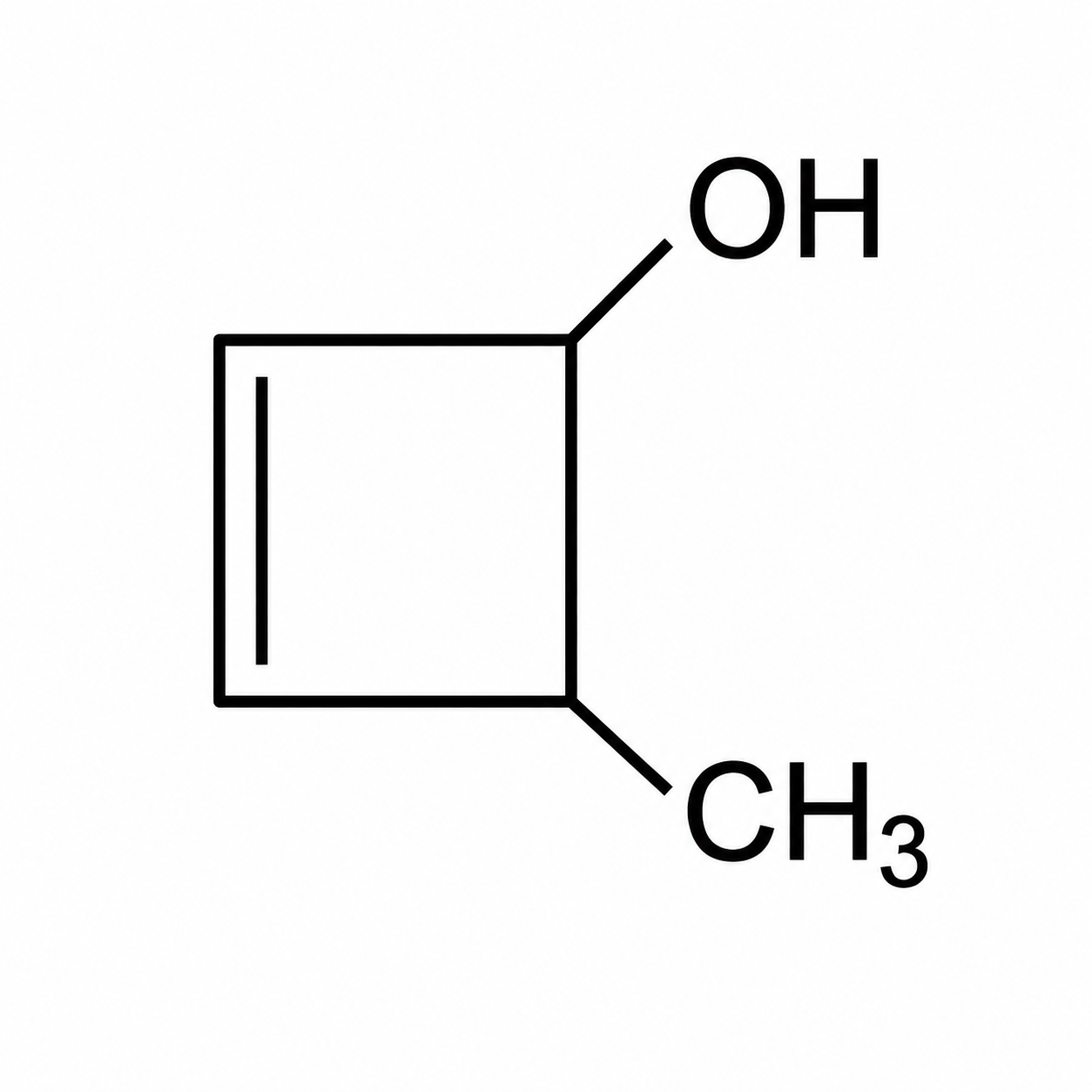
The IUPAC name of the compound shown below is:
Q111.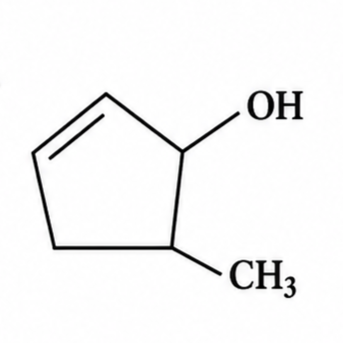
The IUPAC name of the compound shown below is:
Q112.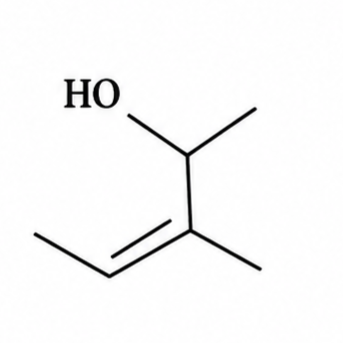
The IUPAC name of the compound shown below is:
Q113.
Q114.
The IUPAC name for the hydrocarbon represented by the Swastik sign is:
Q115.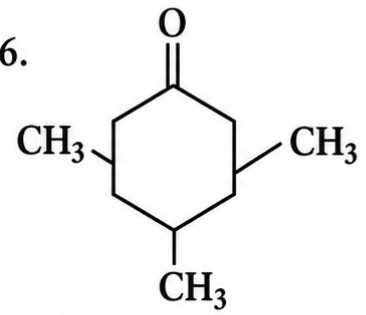
The IUPAC name of the compound shown below is:
Q116.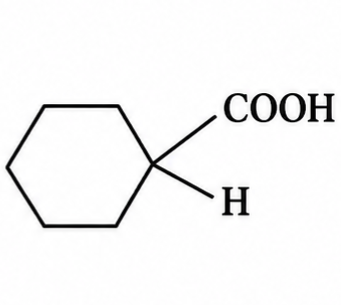
The IUPAC name of the compound shown below is:
Q117.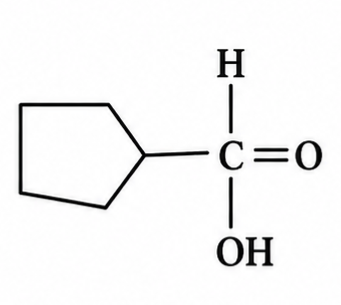
The IUPAC name of the compound shown below is:
Q118.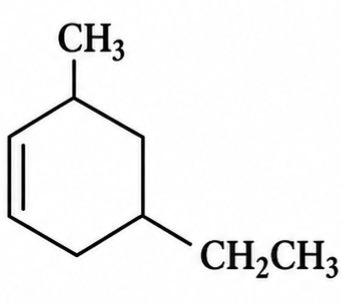
The IUPAC name of the compound shown below is:
Q119.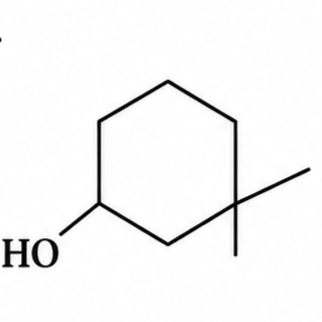
The IUPAC name of the compound shown below is:
Q120.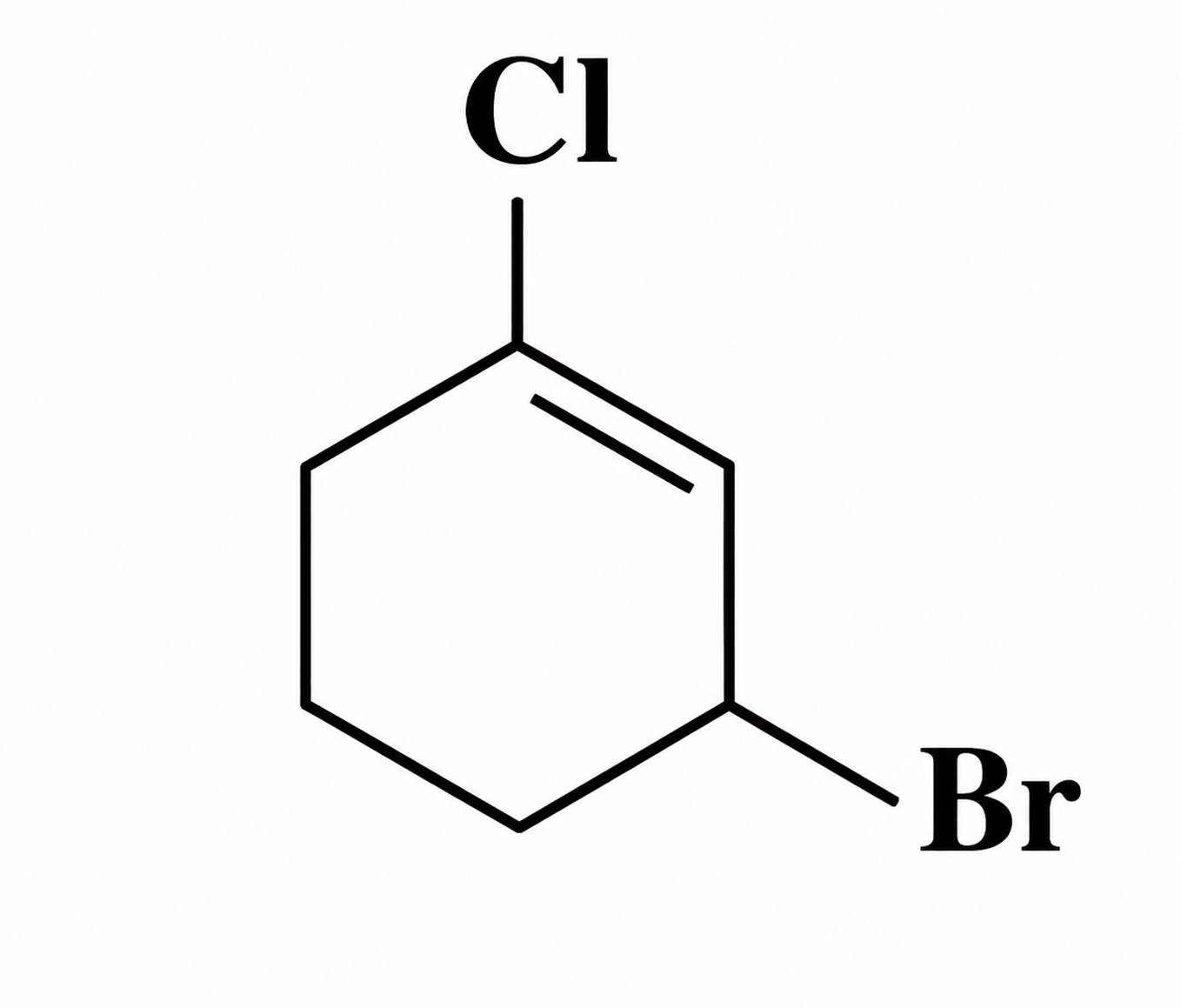
The IUPAC name of the compound shown below is:
Q121.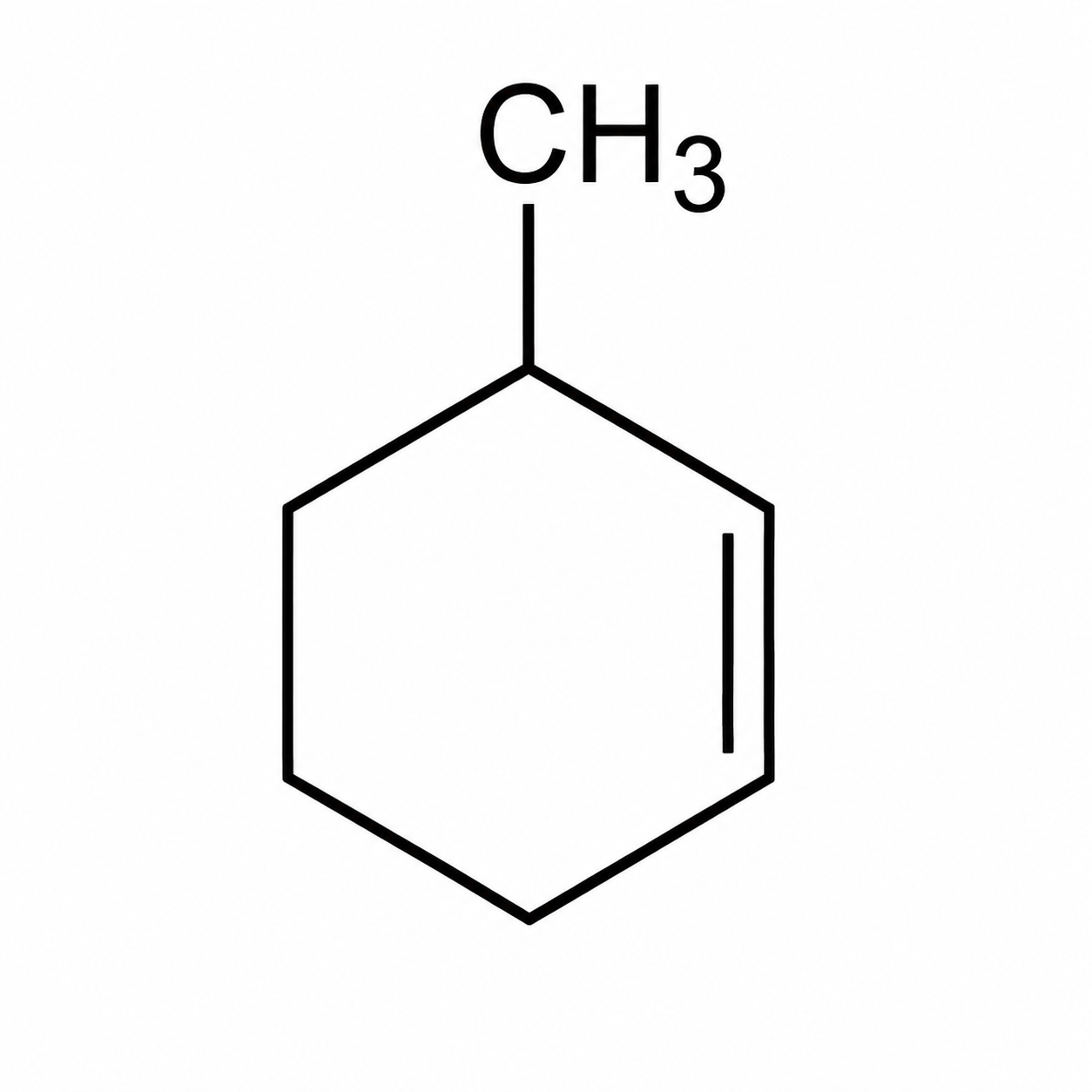
The IUPAC name of the compound shown is:
📚
MORE QUESTIONS
Q1.
Which of the following is an aromatic compound?
Q2.
Which of the following is homocyclic aromatic compound?
Q3.
Which of the following is heterocyclic aromatic compound?
Q4.
Which of the following is an aromatic heterocyclic compound?
Q5.
Which of the following is/are alicyclic heterocyclic compounds?
Q6.
Which of the following is not a carbocyclic compound?
Q7.
An example of alicyclic compound is
Q8.
Which of the following does not contain fused benzene rings?
Q9.
A compound with molecular formula C6H4O has all the four carbon atoms and the oxygen atom in the ring. It also has two double bonds. The compound is
Q10.
Which of the following is heterocyclic aromatic species?
Q11.
The structural formula of cyclohexyl alcohol is
Q12.
Vinyl carbinol is
Q13.
Aromatic character of benzene is proved by
Q14.
The hetero atoms present in the given compound NH2–…
Q15.
Which of the following is a heterocyclic compound?
Q16.
Which of the following is an aromatic compound?
Q17.
Which of the following is an aromatic heterocyclic compound?
Q18.
Which of the following is not a carbocyclic compound?
Q19.
Which of the following is heterocyclic aromatic species?
Q20.
The structure representing a heterocyclic compound is
Q21.
The lowest alkane which has ethyl group as substituent has IUPAC name
Q22.
IUPAC name of methyl carbinol is
Q23.
The correct TUPAC name of C₆H₅COCl is
Q24.
IUPAC name of CH₂=CH-CH₂-Cl is
Q25.
The IUPAC name of given compound CHO-COOH is
Q26.
The IUPAC name of the compound CH₃-CO-O-CO-CH₃ is
Q27.
The IUPAC name of the given compound CH₂-CN | CH-CN | CH₂-CN is
Q28.
The correct IUPAC name of CH₃CH₂CONHCH₃ is
Q29.
IUPAC name of D.D.T. is
Q30.
The formula of Freon-12 is
Q31.
IUPAC name of mesitylene is
Q32.
Which of the following groups is always taken as a substituent in the nomenclature?
Q33.
Conjugated double bond is present in:
Q34.
The IUPAC name of CH₃-CH₂-NH-CH₃ is:
Q35.
H-CO-CN in IUPAC is called:
Q36.
The IUPAC name for isobutyl group is
Q37.
The IUPAC name of tert-butyl group is
Q38.
Systematic name of urea (NH₂CONH₂) is
Q39.
3-Phenylprop-2-enoic acid is IUPAC name of
Q40.
The correct IUPAC name of CH₃-CHCl-CO-Cl is
Q41.
The correct IUPAC name of CH₃-CH₂-CO-OCH₃ is
Q42.
The correct IUPAC name of CH₃-C(C₂H₅)=C(C₂H₅)-CH₃ is
Q43.
One among the following is the correct IUPAC name for the compound CH₃-CH₂-NH-CHO
Q44.
Which among the following is the correct IUPAC name of isoamylene?
Q45.
The common name of (CH₃)₃CC₂H₅ is
Q46.
The family to which methoxyethene belongs is
Q47.
The correct IUPAC name of acetonitrile is
Q48.
The correct IUPAC name of CH₃CH₂CH(CH₃)CH(C₂H₅)₂ is
Q49.
The correct IUPAC name of CH₃-CO-OCOCH₃ is
Q50.
The correct IUPAC name of HOOC-CH(COOH)-COOH is
Q51.
The IUPAC name of CH₃OCH₂CH₂CH₂OCH₂CH₃ is
Q52.
IUPAC name of (CH₂=CH)₂CH-CH=CH₂ is
Q53.
IUPAC name of CH₃CH(OH)COOH is
Q54.
A student named the compound as 1,4-butadiene — The name is correct or error?
Q55.
Which of the following structures represents 2,2,3-trimethylhexane?
Q56.
The correct IUPAC name of (C₂H₅)₄C is
Q57.
The IUPAC name of the compound CH₃CONH(Br) is
Q58.
The structure of 4-methylpent-2-en-1-ol is
Q59.
The IUPAC name of the hydrocarbon CH≡C-CH=CH-CH=CH₂ is
Q60.
The IUPAC name of CH₃COCH(Cl)-CH(I)-COOH is
Q61.
The IUPAC name of CH₃C₂H₅-C(CH₂)-CH₂-CH(CH₃)-NH₂ is
Q62.
The IUPAC name of (C₂H₅)₂NCH₂CH(Cl)COOH is
Q63.
The IUPAC name of CH₃CH(C₆H₅)CH₂CH₃ is
Q64.
The IUPAC name of compound CH₂-COOH | C-(OH)(COOH) | CH₂-COOH is
Q65.
The correct IUPAC name of H-CO-CO-COOH is
Q66.
The common and IUPAC names for the group (CH₃)₂CHCH₂- respectively are
Q67.
The principal functional group in BrCH₂CH(OH)CH₂COCH₂NO₂ is
Q68.
The secondary suffix and the secondary prefix for the functional group –CO-Cl respectively are
Q69.
The correct decreasing order of priority for –CONH₂, –CN and –COOR is
Q70.
The IUPAC name for the compound CH₃-CH₂-N(CH₂CH₃)-CH₂CH₃ is
Q71.
The systematic name for HCON(CH₃)₂ is
Q72.
The IUPAC name for CH₃-CH₂-CO-O-CO-CH₂-CH₃ is
Q73.
The IUPAC name of (CH₃)₂CH-CH₂-CH₃Br is
Q74.
The IUPAC name of (CH₃)₃C-CH=CH₂ is
Q75.
What is the IUPAC name of H-CO-CH₂-CH₂-OCH₃?
Q76.
The IUPAC name of CH₃-C(Cl)=C(CH₃)-CH(C₂H₅)-CH₂-C≡CH is
Q77.
TUPAC name of CH₃-CH(C₂H₅)-C(C₄H₉)(CH₃)-CH₃ is
Q78.
The IUPAC name of CH₃-C(CH₃)=CH-COOH is
Q79.
The IUPAC name of CH(CHO)=CH(NH₂) is
Q80.
The TUPAC name of CH₃-CH(OH)-CH=C(CH₃)-CHO is
Q81.
The IUPAC name of CH₃-CH(CH₃)-C(CH₂)-CH₂-CH₃ is
Q82.
The IUPAC name of CH₃-CH(CH(CH₃)₂)-CH₂CH₂CH₃ is
Q83.
The TUPAC name of CH₃-C≡C-CH(CH₃)₂ is
Q84.
The IUPAC name of CH₃CH=CHCH₂CH(NH₂)CH₂COOH is