7Annelida

πŸ“š
ANNELIDA
β–’ General Characteristics:
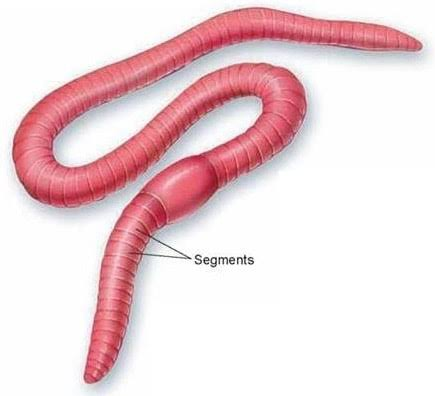
❖ Description: Segmented worms,the most important character of this phylum is metamerism.The segmentation in some of the platyhelmenthis is not true segmentation.
Image 1
❖ Symmetry: Bilateral
❖ Germ Layers: Triploblastic
Image 1
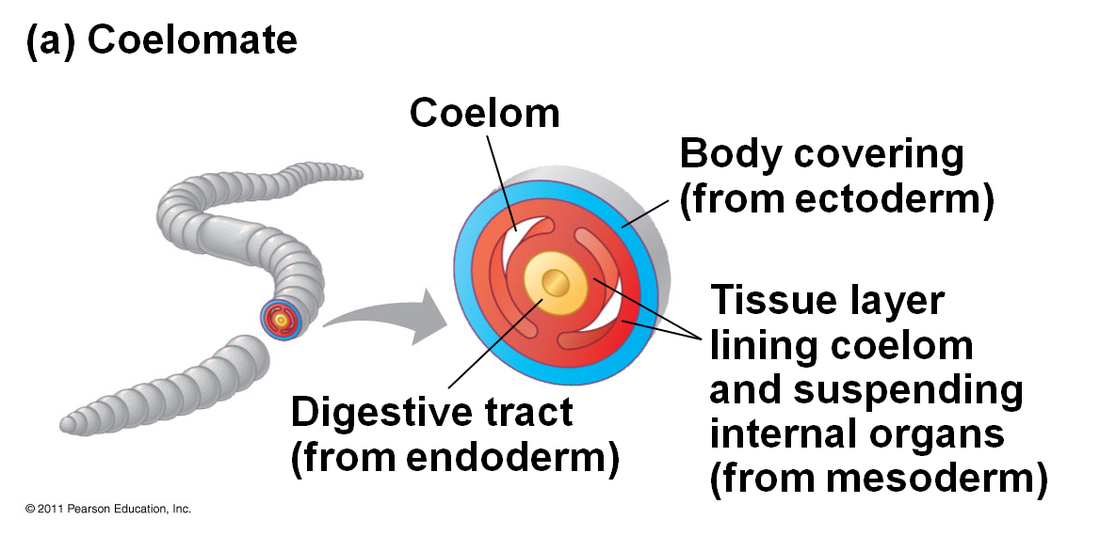
❖ Coelom: Eucoelomate (true coelom)
❖ Coelom Evolution: First appearance of coelom
❖ Body Type: Worm-like
❖ Segmentation:
β—‰ Type: Metameric (homonomous)
β—‰ New Segment Formation: Occurs at the posterior just in front of pygidium
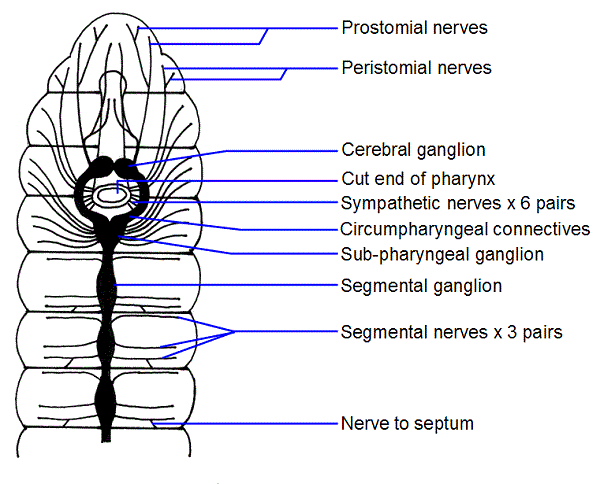
❖ Nerve Cord: Large, longitudinal, ventral
Image 1
❖ Body Plan: Tube within a tube (Protostomic)
❖ Organization: Organ-system level
β–’ Alimentary Canal: Straight
β–’ Excretory System:
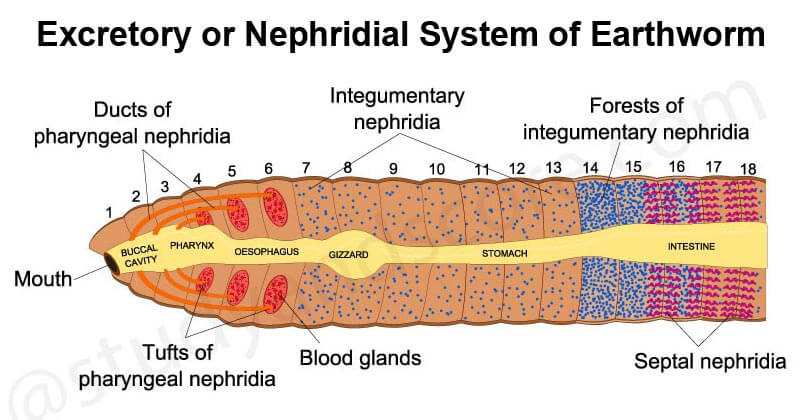
❖ Organs: Nephridia
Image 1
❖ Origin: Ectodermal (from nephroblastic cell)
β–’ Anus:
❖ Location: Last body segment
❖ Post-anal Tail: Absent
β–’ Cuticle: Non-chitinous, albuminoid
β–’ Circulatory System:
Image 1
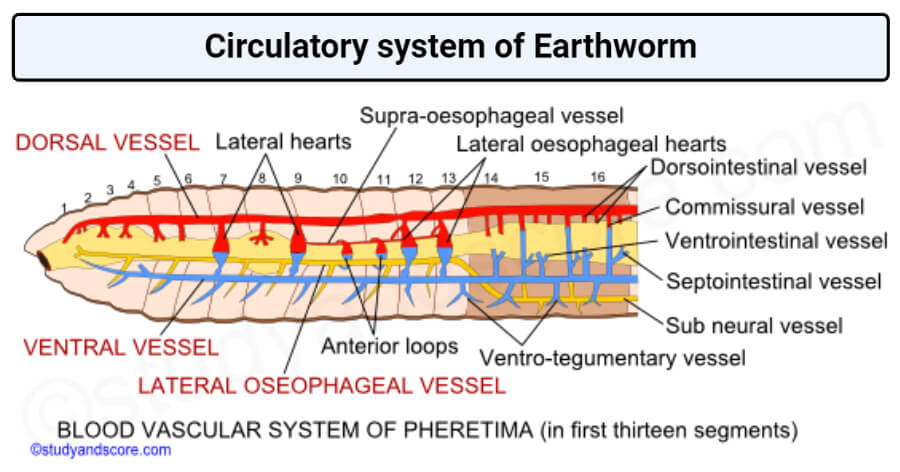
❖ Type: Closed
❖ Heart: First appearance
❖ RBC: Absent
❖ Respiratory Pigment: Haemoglobin
β–’ Embryonic Similarity: Resembles Mollusca in segmentation of muscles and nervous system
β–’ Digestive Gland: First appearance
β–’ Notes:
❖ Clamworm: Possesses 2 pairs of eyes
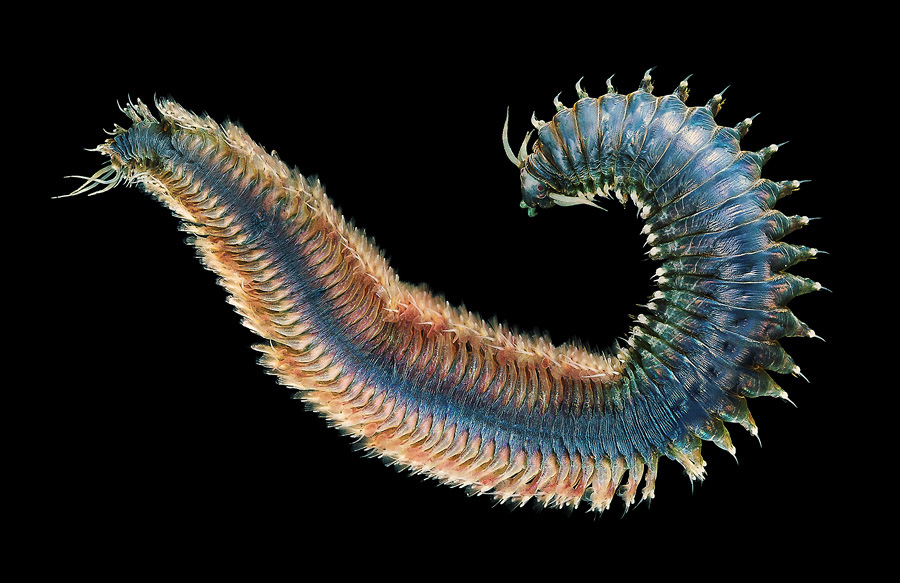
❖ Nereis: Gregarious, nocturnal, and carnivorous; mature form is Heteronereis
Image 1
Fig.Nereis
❖ Chaetopterus: Exhibits great power of regeneration
❖ Eunice: Example of Errantia
β–’ Classification:
❖ Criteria: Based on setae position/arrangement and presence of sense organs
S.N.
Polychaeta (many hair)
Oligochaeta
Hirudinea
Arachinnelida
1
Setae long, numerous, in parapodia
Small and fewer
Absent
Absent
2
Parapodia present
Absent
Absent
Absent
3
Distinct head with sense organs
Absent
Absent
Head with sense organs present
4
Clitellum absent
Present
Temporary (only during breeding)
-
5
External segmentation: +
+
-
+
6
Internal segmentation: +
+
+
-
7
Sexes separate
United
United
Separate or United
8
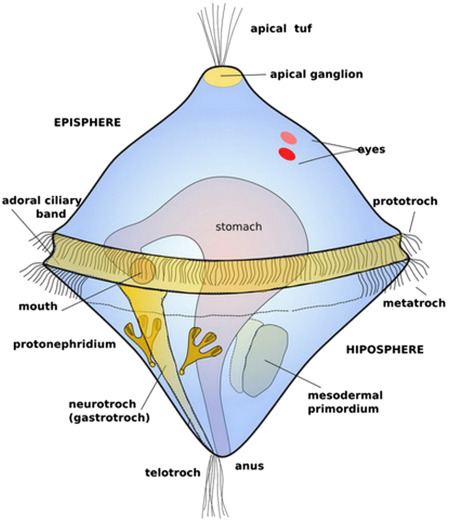
Development: Indirect (Trochophore larva)
Direct
Direct
Indirect (Trochophore larva)
9
Examples: Nereis (Sand worm), Lumbricus, Chaetopterus, Aphrodite, Arenicola, Tubeworm
Pheretima (Earthworm), Lumbricus (European earthworm), Tubifex (Blood worm)
Hirudinaria (Cattle leech), Pontobdella (Fish leech), Acanthobdella
Polygordius
πŸ“š
NEREIS (SANDWORM/ CLAMPWORM/ RAGWORM)
πŸ“–
Larva
Trochohore larva
Image 1
Fig.Trochophore larva
πŸ“š
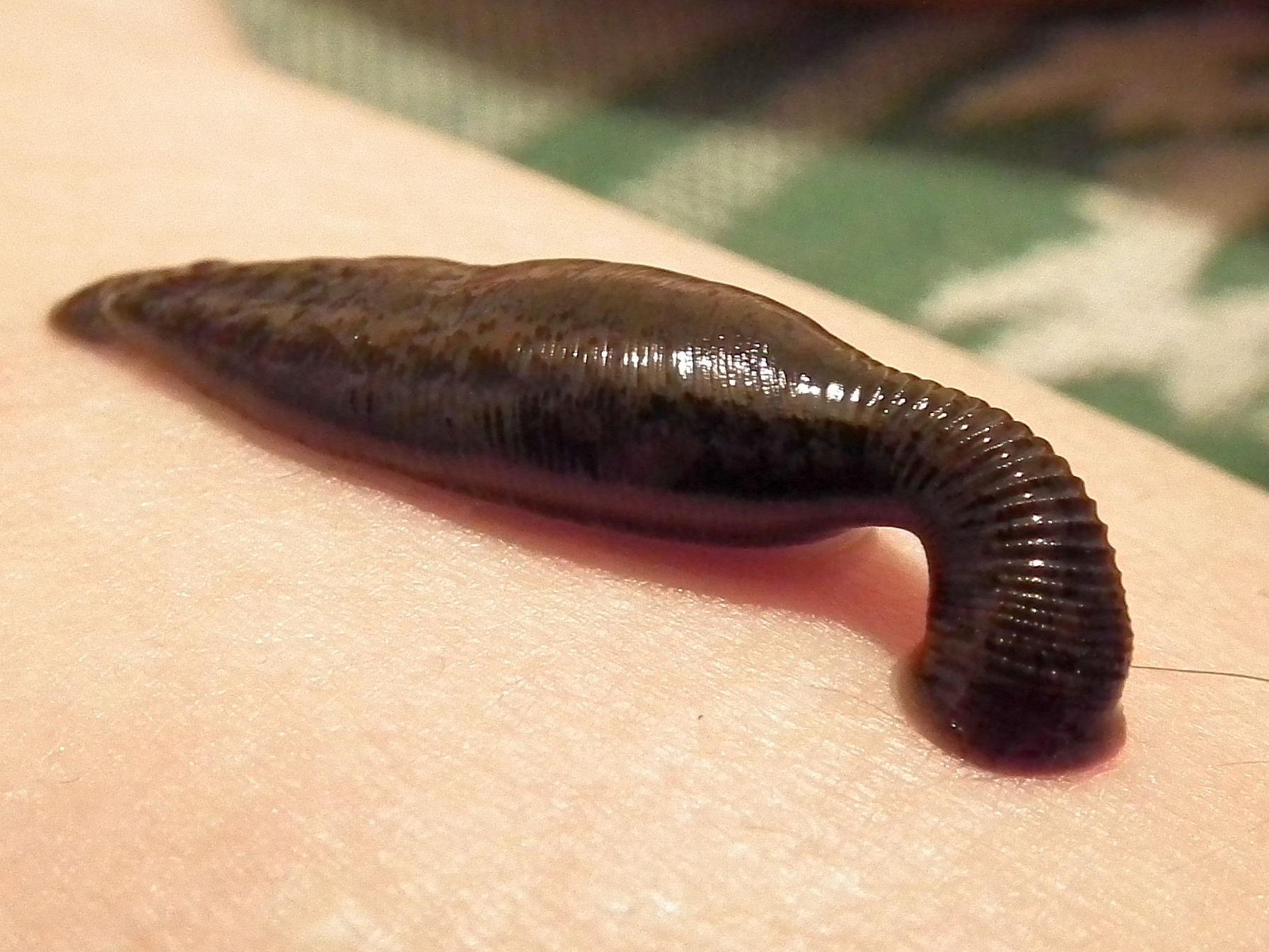
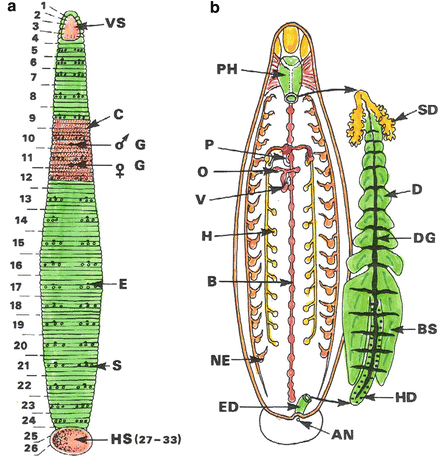
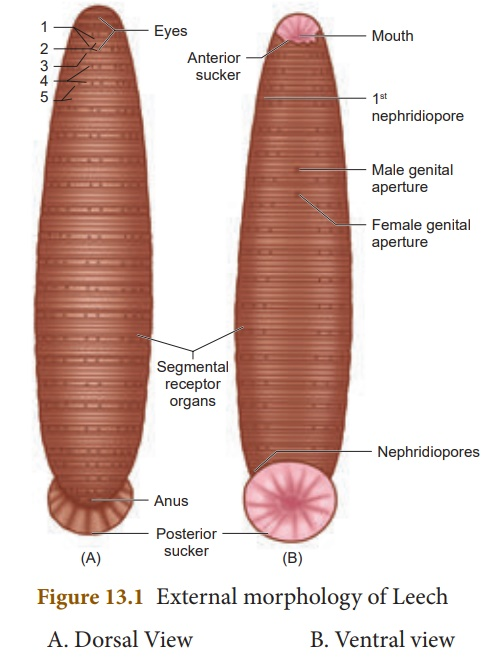
HIRUDINARIA (LEECH)
Image 1
β–’ General Information:
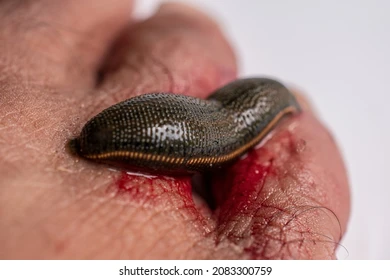
❖ Type: Blood-sucking ectoparasite (sanguivorous)
Image 1
β–’ Body Structure:
❖ Segments: 33
Image 1
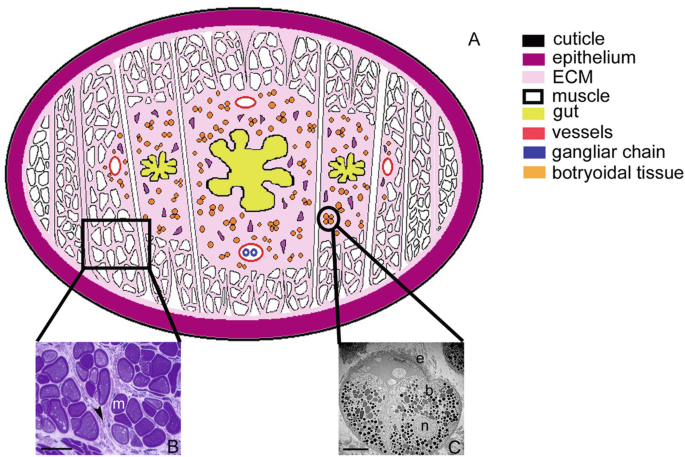
❖ Tissue:
β—‰ Name: Botryoidal tissue
Image 1
β—‰ Also Called: Haemocoelomic channels
β—‰ Type: Connective tissue
β—‰ Function: Helps in excretion
❖ Suckers: 2 (anterior and posterior)
Image 1
❖ Eyes: 5 pairs of dorsal eyes
❖ Clitellum:
β—‰ Presence: Temporary
β—‰ Location: Develops during breeding season (9th to 11th segment)
❖ Anus: Dorsal
β–’ Saliva:
❖ Secretion: Contains Hirudin
❖ Source: Salivary glands
❖ Function: Anticoagulant
β–’ Digestion:
❖ Blood Digestion: Assisted by bacterium *Pseudomonas hirudinis*
β–’ Excretory System:
❖ Testicular Nephridia:
β—‰ Count: 11 pairs
β—‰ Segments: 12th to 22nd
β—‰ Connection: Each connected with a testis sac
❖ Pretesticular Nephridia:
β—‰ Count: 6 pairs
β—‰ Segments: 6th to 11th
β—‰ Connection: Not connected with testis sac
Type
No. of Pairs
Segments
Connection with Testis Sac
Pretesticular Nephridia
6
6th to 11th
Not connected
Testicular Nephridia
11
12th to 22nd
Connected
Q1.
Schizocoel is body cavity of:
πŸ“…BPKIHS 2005
Q2.
The animal without any respiratory organ is:
πŸ“…BPKIHS 2006
Q3.
Trochophore larva is found in
πŸ“…MOE 2063
Q4.
Which of the following belongs to Annelida
πŸ“…MOE 2003
Q5.
Parapodia are found in
πŸ“…IOM 2006
Q6.
Organisms having bilateral symmetry, closed circulatory system and metameric segmentation belongs to
Q7.
The most important character of annelids is
Q8.
What is common between leech, centipede and earthworm?
Q9.
Cuticle of annelids is
Q10.
Botryoidal tissue is found in
Q11.
Leech obtains continuous blood-stream from its victim by pouring in it
Q12.
"Sea mouse" belongs to phylum
Q13.
Which is not a feature of annelid?
Q14.
Chloragogen cells resemble the following function
Q15.
The main excretory organ of Annelida is
πŸ“…IOM-2014
Q16.
The basis of classification of Phylum 'Annelida' is
πŸ“…MOE 2014