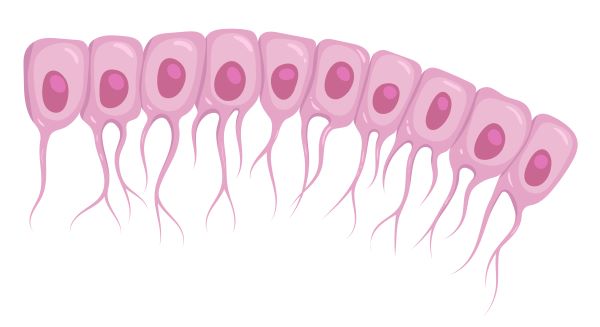
Stains poorly with H&E, special stains like orcein
Black with silver stain (argyrophilic)
4
Function
Tensile strength (resist stretching)
Elasticity (return to shape after stretch)
Form supportive mesh in soft tissues
5
Location
Type I
Type II
Type III
Type IV
Type VI
Bones
Tendons
Ligaments
Skin
Hyaline cartilage
Liver
Bone marrow
Lymphoid organs
Basement membrane
Basement membrane
Lungs, arteries, skin, elastic cartilage
Lymph nodes, spleen, bone marrow
❖ Matrix/ Ground substance:
📖
Connective tissue proper
▢ Loose connective tissue:
❖ Areolar connective tissue:
❖ Adipose connective tissue:
▢ Dense connective tissue:
❖ Fibrous connective tissue:
◉ White fibrous connective tissue:
◉ Tendon:
◉ Ligaments:
❖ Yellow elastic connective tissue:
❖ Reticular connective tissue:
▢ Pigmented connective tissue:
📖
Fluid connective tissue
▢ Blood:
▢ Blood plasma:
▢ Blood cells:
❖ Red Blood Cells (RBCs)/ Erythrocytes:
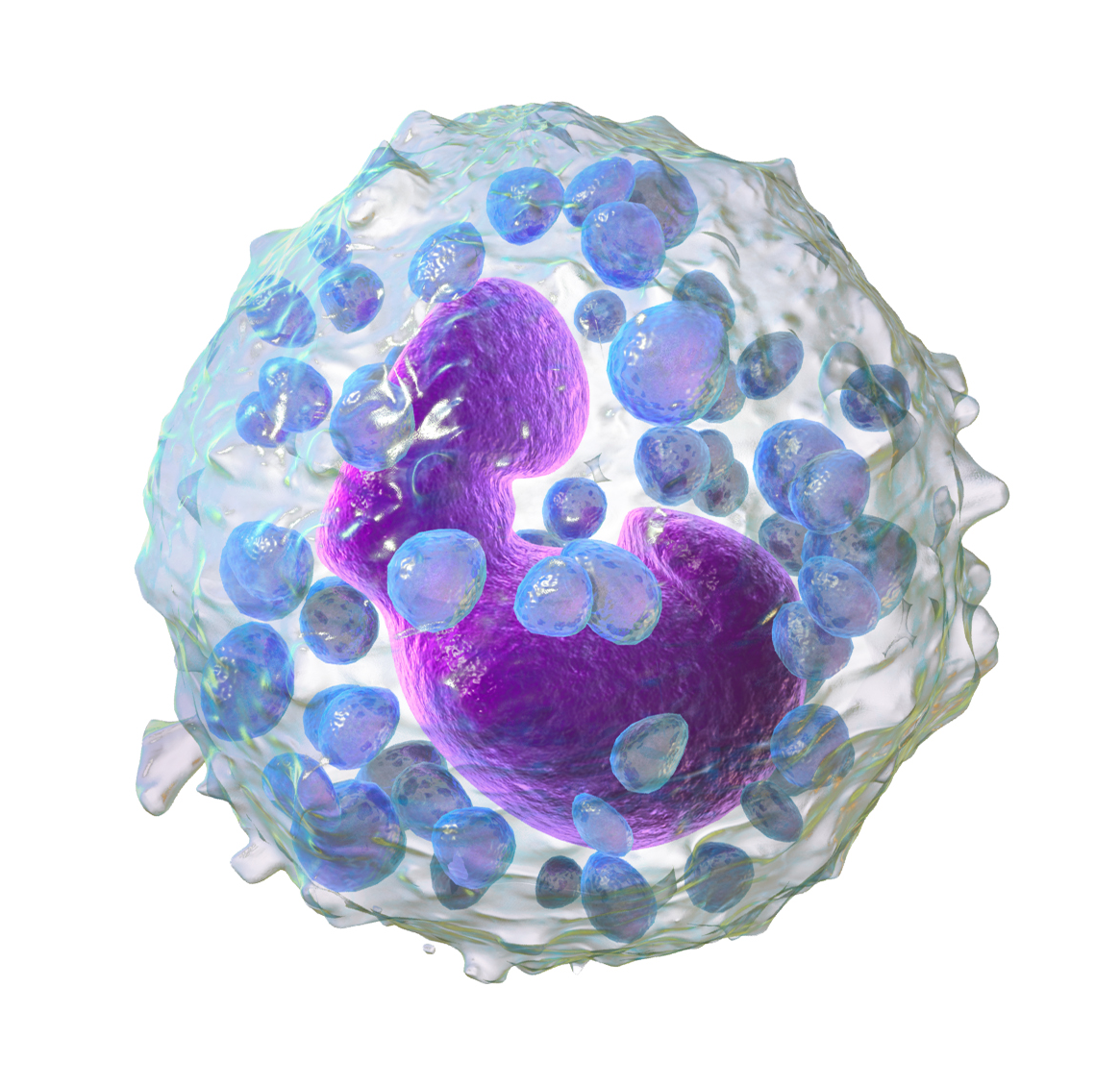
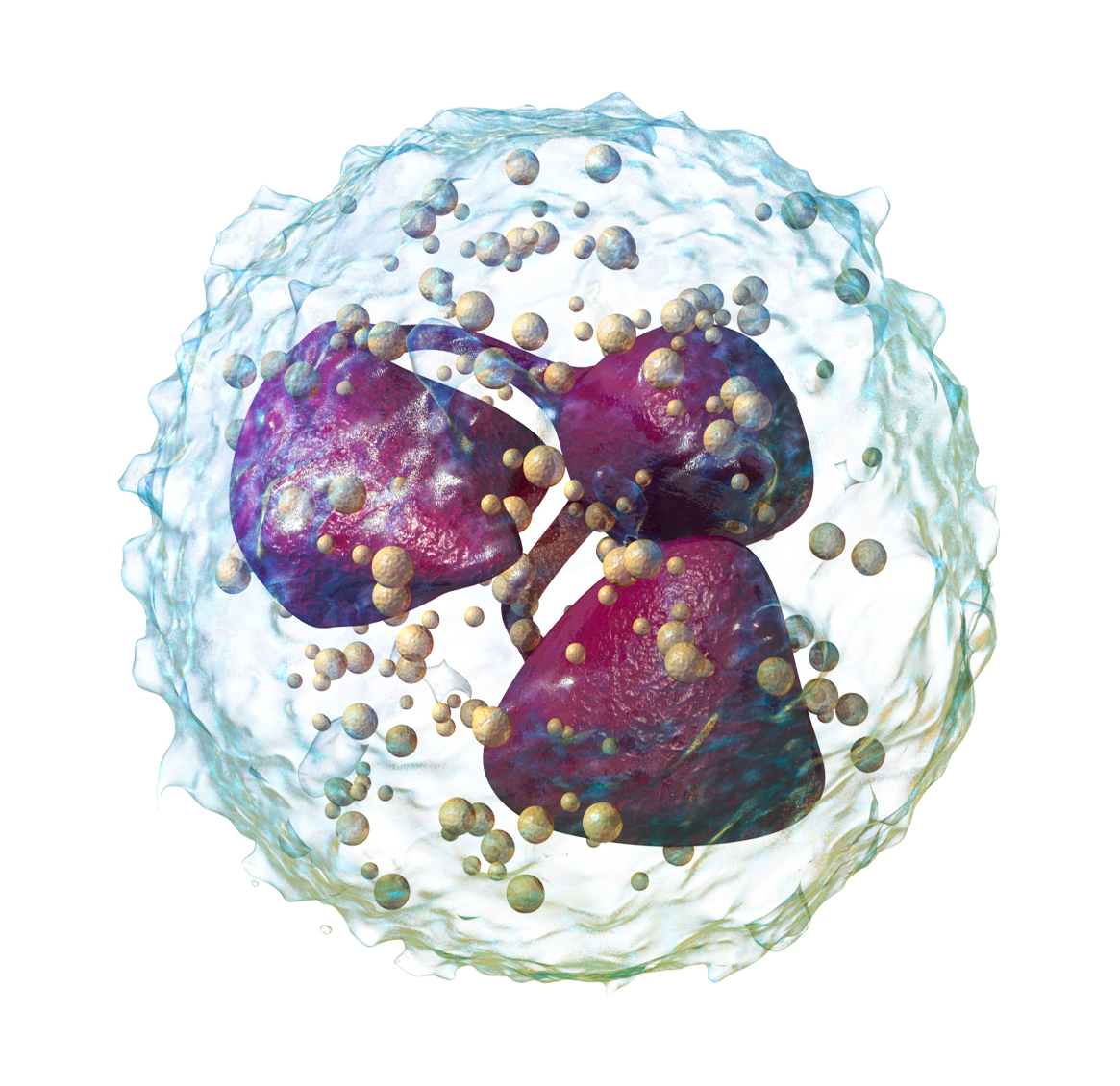
❖ White Blood Cells (WBCs)/ Leucocytes:
Granulocytes
Agranulocytes
With Cytoplasmic granules.
They have lobed nucleus.
Without cytoplasmic granules.
They don't have lobed nucleus.
Eosinophils
Basophils
Neutrophils
Monocytes
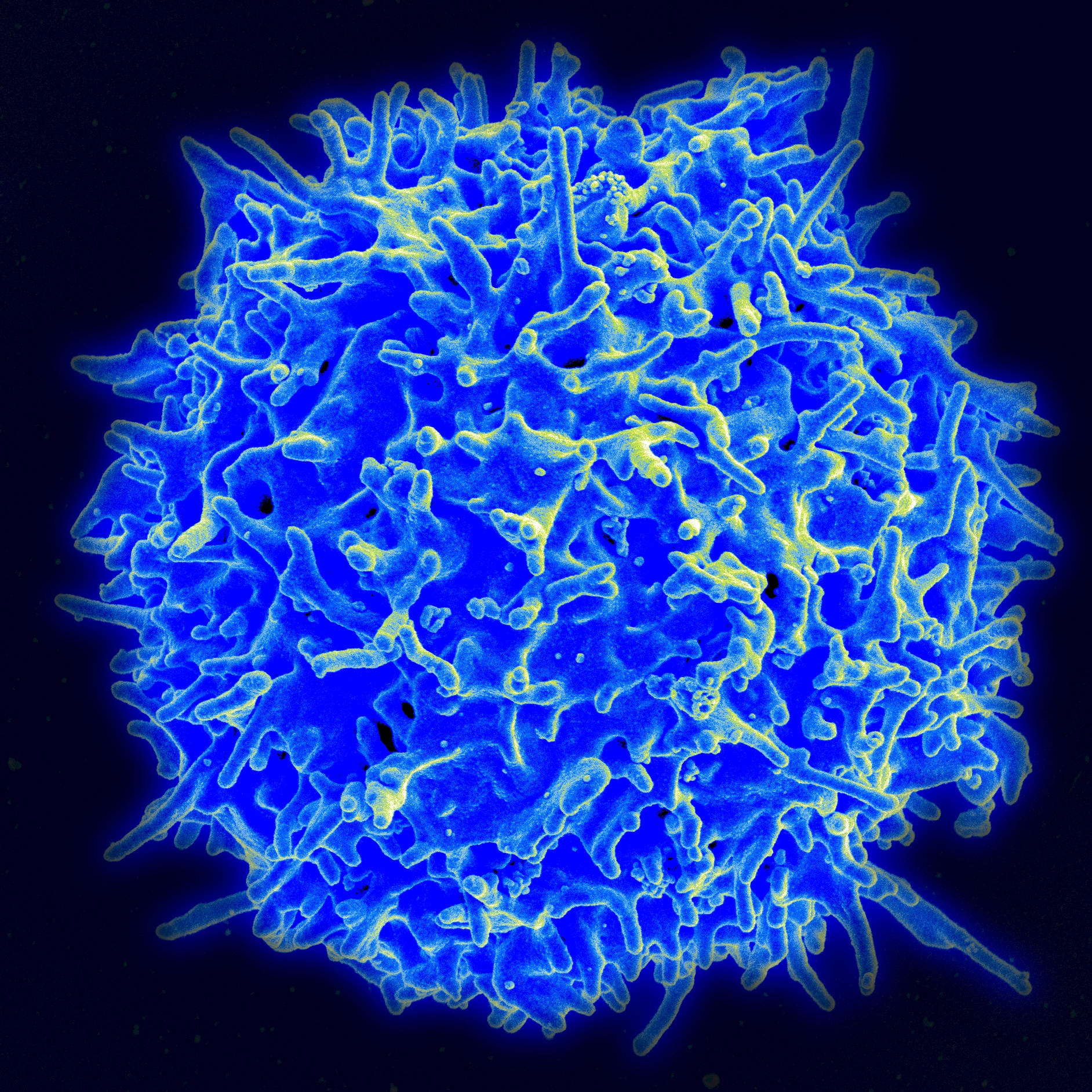
Lymphocytes
Plasma cell
2 nucleus-lobe
2-3 nucleus-lobe
3-5 nucleus-lobe
Largest WBC
Smallest WBC
Phagocytic
Non-phagocytic
Phagocytic
Phagocytic
Involved in Body defence mechanism
Involved in Allergic reaction
Secrete histamine and Serotonin
First line of defense against infection.
Form Macrophages in tissues.
◉ Granulocytes:
◈ Eosinophils:
◈ Basophils:
◈ Neutrophils:
◉ Agranulocytes:
◈ Monocytes:
■ Macrophages in tissues:
Brain → Microglia
Skin → Dendritic cells/ Langerhans' cells
Connective tissue → Histiocytes
Cartilage → Condrocytes
Bone → Osteocytes
Thymus → Hassal's corpuscles
Lungs → Dust cells
Liver → Kuffer cells
Spleen → Sinusoidal cells
Kidney → Messangial cells
◈ Lymphocytes:
■ T-lymphocytes:
■ B-lymphocytes:
◈ Plasma cells:
❖ Platelets/ Thrombocytes:
▢ Lymph:
📖
Skeletal connective tissue
▢ Bone:
▢ Cartilage:
📚
MUSCULAR TISSUE
▢ Skeletal muscle:
▢ Smooth muscle:
▢ Cardiac muscle:
📚
NERVOUS TISSUE
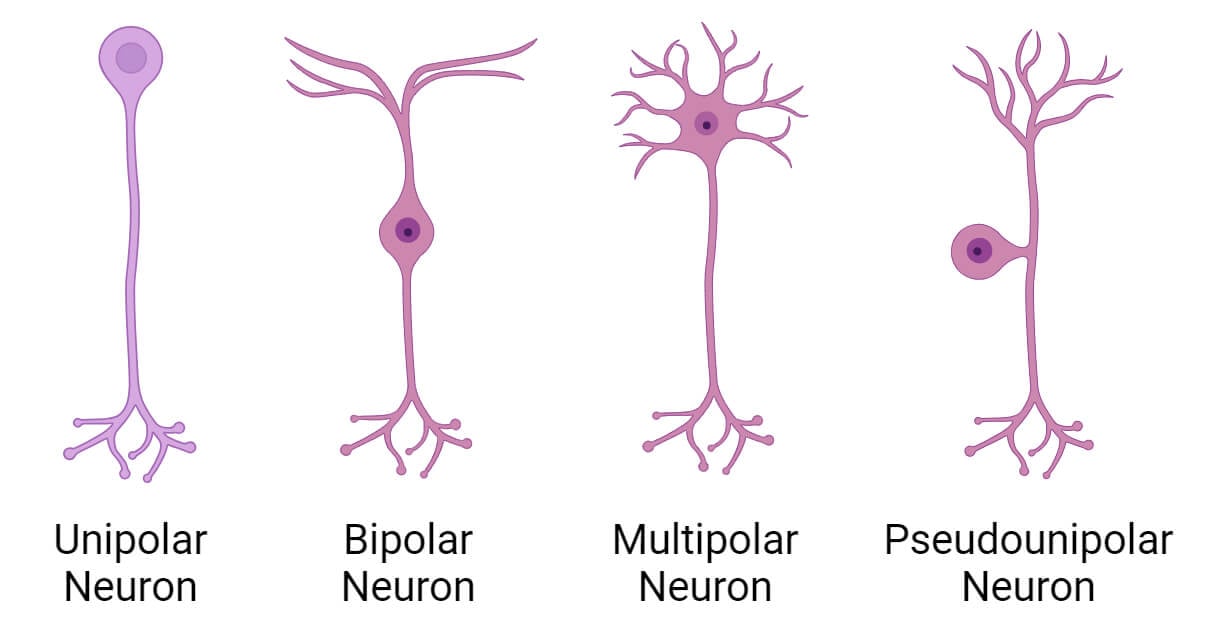
▢ Neurons:
Apolar neuron
Unipolar neuron
Pseudo-unipolar neuron
Bipolar neuron
Multipolar neuron
Location
Hydra
Some Amacrine cells of Retina
Chromaffin cells
Vertebrate embryo
Trigeminal nerve nucleus
a. Dorsal root ganglia of Spinal cord i.e, most sensory nerve
Retina (Eye)
Cochlea (Ear)
Olfactory area (Nose)
General (Brain)
Autonomic ganglia
Purkinje cells
Fea
▢ Glial cells:
Astrocytes
Oligodendrocytes
Microglia
Ependymal cells
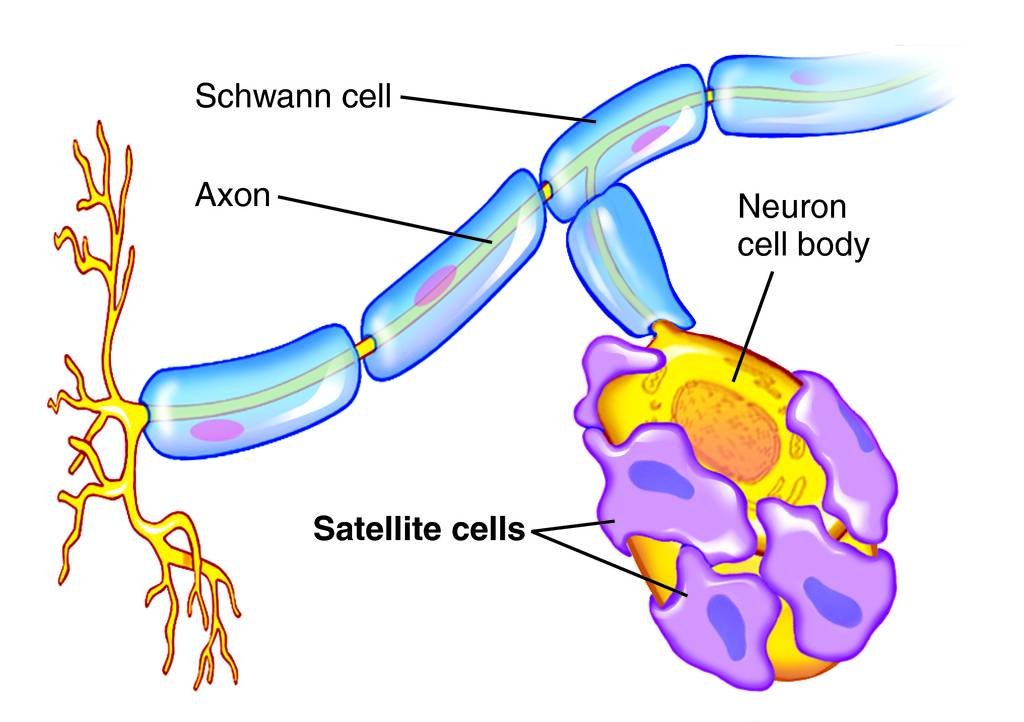
Satellite cells
Schwan cells
Location
CNS
PNS
Functions
❖ Astrocytes:
❖ Oligodendrocytes:
❖ Microglia:
❖ Ependymal cells:
❖ Satellite cells:
❖ Schwan cells:
Q1.
Active secretary cells in human body are
📅MOE 2069
Q2.
Histamine is secreted by:
📅BPKIHS 2012
Q3.
Keratinised stratified squamous epithelium is found in
📅IOM 2010
Q4.
The acidophils are
📅MOE 2010
Q5.
Dendron or dendrite is a part of
📅MOE 2010
Q6.
Which one of the human cell do not contain mitochondria
📅KU 2012
Q7.
Urinogenital ducts are lined by
📅KU 2010
Q8.
The tissue that protect body from wound and infection is
📅MOE 2011•2008/KU
Q9.
Serum is
📅IOM 2010
Q10.
Serum is:
📅BPKIHS 2012
Q11.
The skeleton and muscles are derived from:
📅MOE 2008/IOM 2010
Q12.
The bone of mammals contains longitudinal Haversian canals, which are connected by transverse canals called
📅IOM 2010
Q13.
Which of the following leukocytes doesn't contain granules in cytoplasm?
📅KU 2009
Q14.
Mast cell in the connective tissue resemble
📅MOE 2009
Q15.
The cells which do not divide:
📅MOE 2060, 2008
Q16.
Histamine and Heparin are secreted by:
📅IE 2008
Q17.
Nissil's granules are found in:
📅IE 2008
Q18.
Transitional epithelium is found in
📅IE 2008•IOM 1993
Q19.
The internal lining of the blood vessel is:
📅MOE 2064
Q20.
The fibrous sheath that connects the bone is called:
📅MOE 2064•2061
Q21.
Outer covering of bone is:
📅MOE 2063
Q22.
What is the name of diseases caused by the endocrinology deficiency of thyroxine
📅MOE 2062
Q23.
'Reticulin fibres' are associated with
📅MOE 2063
Q24.
What is the function of motor nerves?
📅MOE 2062
Q25.
Yellow bone marrow is found especially in the medullary cavity of
📅MOE-2062
Q26.
Memory cells are
📅MOE-2061
Q27.
The growth of hair follicle is facilitated by
📅MOE-2060
Q28.
Which of the following is anticoagulant
📅IOM 2005
Q29.
A very good power of regeneration is found in
📅BP 2007
Q30.
Blood vessels near a wound dilate & become more permeable in response to which materials release from damaged cells?
📅IE 2007
Q31.
Abdominal organs are covered by
📅BP 2006
Q32.
Which of the following increases during allergy?
📅BPKIHS 2006
Q33.
Trachea is lined by
📅BPKIHS 2006
Q34.
Intercalated discs are found in
📅BPKIHS 2005
Q35.
Inflammation characterized by dilation of capillaries & small blood vessels surrounding the injuries infected area becomes red, warm & swollen due to increase permeability to
📅IE 2005
Q36.
Heparin is formed by
📅IE 2004
Q37.
WBC that are non-specific killer of microbes are
📅IE - 2004
Q38.
Wrinklenge of skin in old age is due to
📅BP 2004)
Q39.
Cells of germinal epithelium are
📅BPKIHS 2007
Q40.
A very good power of regeneration is found in
📅BPKIHS 2007
Q41.
Tendon connects:
📅MOE 2002)
Q42.
Protoplasmic connection between two cells is
📅MOE 2002
Q43.
Which of the following may arise from any 3 germ layers? [[BPKIHS 2001]
📅BPKIHS 2001
Q44.
A group of cell having common origin and similar function is [MOE 2000]
📅MOE 2000
Q45.
Cardiac muscles are found in
📅MOE 2056
Q46.
The substance produced in the body for defence is
📅BPKIHS 1998
Q47.
Fat cells are [IOM 1997]
📅IOM 1997
Q48.
Which of the following is the retroperitoneal organ?
📅BP 2000
Q49.
Irreversible cell death is known as:
📅BPKIHS 1995
Q50.
Glisson's capsule is found in which mammalian organ?
📅BP 1994
Q51.
Glands and ducts are internally lined with
📅IOM 1993
Q52.
Ciliated epithelium is NOT found in
📅IOM 1993
Q53.
In which of the following, ciliated epithelium is present?
📅BPKIHS -2013
Q54.
Fat is abundant in :
📅BPKIHS -2013
Q55.
in diapedesis, which of the following squeezes out of the narrow capillaries? [IOM-2014]
📅IOM-2014
Q56.
The ridges and finger prints in the hands is due to [IOM-2014]
📅IOM-2014
Q57.
What is insoluble in water?
📅BPKIHS -2013
Q58.
Clotting of blood is delayed by:
📅IOM-2013
Q59.
Connective tissue is originated from :
📅IOM-2013
Q60.
Histamine is secreted by:
📅IOM-2013
Q61.
The membrane that covers the cartilage is known as:
📅IOM-2013
Q62.
Transitional epithelium is found in:
📅IOM-2013)
Q63.
Blood is:
📅IOM-2013
Q64.
Cartilage present between the joint of long bone is:
📅BPKIHS -2014,015
Q65.
Which mineral is needed for muscle contraction:
📅BPKIHS -2014
Q66.
Muscle become fatigue due to excess accumulation of:
📅BPKIHS -2015
Q67.
The metal present in the haemoglobin is:
📅BPKIHS -2015
Q68.
Which of the following is added during blood transfusion?
📅BPKIHS -2015
Q69.
Fluoride pollution mainly effects:
📅BPKIHS -2016
Q70.
During strenuous exercise, glucose is converted to:
📅BPKIHS -2016
Q71.
Prothrombin, fibrin and thrombin are synthesized in:
📅BPKIHS -2016
Q72.
Covering of cartilage is:
📅BPKIHS -2016
Q73.
Which of these liver cells act as phagocyte?
📅IOM-2015
Q74.
A baby with blood group A cannot belong to parents of which blood group?
Q75.
Which one of these is the largest type of WBC?
📅IOM-2015)
Q76.
Smooth muscle fibers are:
📅IOM-2015
Q77.
Antibody producing blood cells are the:
📅MOE 2014
Q78.
In which animal tissue, lacunae is not present
📅MOE 2014
Q79.
Skeletal and muscles originate from
📅MOE 2014
Q80.
Immunological function of blood is due to:
📅MOE 2012
Q81.
Universal donor blood group of human beings is
📅MOE 2012
Q82.
Lack of blood supply and presence of the non-cellular basement are the characteristics of the
📅KU 2015
Q83.
Which of the following epithelium forms the lining of vessels?
📅KU 2015
Q84.
Collagen fibres are the components of:
📅KU 201)
Q85.
Inner surface of the bronchi, bronchioles and fallopian tubes are lined by
📅KU 2014)
Q86.
Which of the following is non-myelinated nerve fiber?
📅KU 2014)
Q87.
Chondrocyte cell is found in
📅KU 2013)
Q88.
Intercalated disc is found in
📅KU 2013
Q89.
During sternous exercise, the glucose is converted into
📅KU 2013
Q90.
Nissl's granules are found in
📅KU 2013
Q91.
In human body, which cell has no nucleus
📅KU 2013
Q92.
Which one of the following statement is correct?
📅KU 2012
Q93.
Which one of the human cell do not contain mitochondria