📚
PHYLUM ARTHROPODA
▢ Introduction: 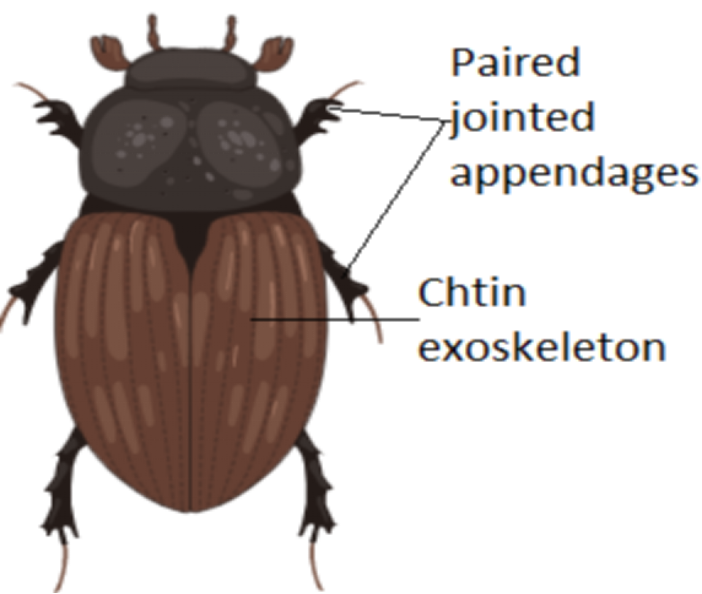
❖ Meaning: Arthros = jointed; podos = legs
❖ Definition: Animals with jointed appendages
❖ Rank: Largest phylum of Animalia in number of taxa and biomass
❖ Key Success Factor: Chitinous exoskeleton + jointed appendages
❖ Important Point: First animals with voluntary muscles utilizing jointed appendages
▢ General Characters: 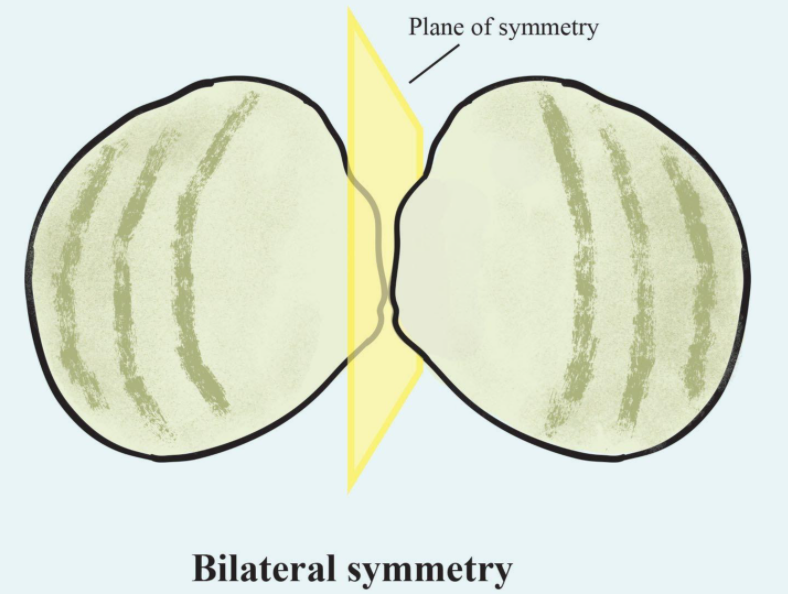
❖ Body Grade: Organ-system level
❖ Symmetry: Bilateral symmetry
❖ Germ Layers: Triploblastic
❖ Segmentation: Metameric segmentation with tagmatization
❖ Segment Septa: Septa absent; only external segmentation present
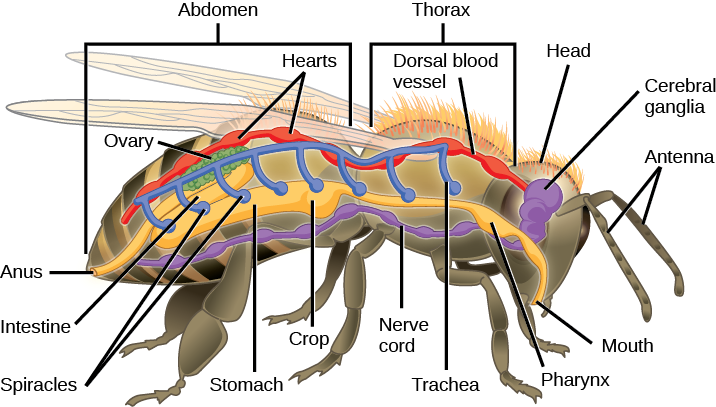
❖ Body Regions: Head, thorax and abdomen; sometimes head + thorax fuse to form cephalothorax
❖ Coelom: Reduced coelom; body cavity mainly haemocoel
❖ Coelom Type: Schizocoelous
❖ Blood: Haemolymph
❖ True Coelom: Restricted to gonads
▢ Exoskeleton and Moulting: 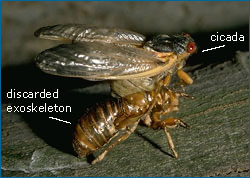
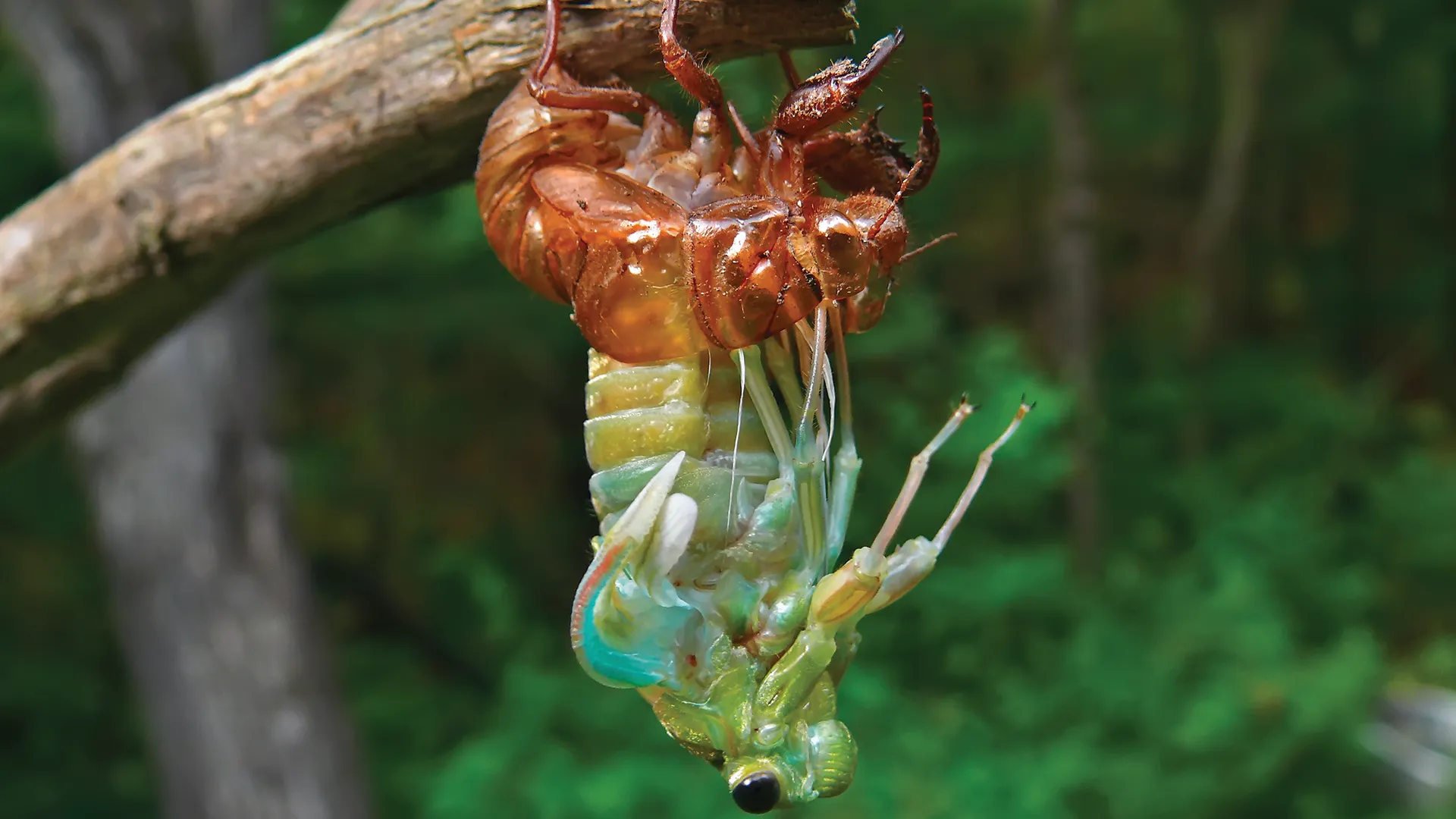
❖ Exoskeleton: Chitinous exoskeleton
❖ Cuticle: Secreted by epidermis
❖ Function: Protection, support, prevention of water loss and muscle attachment
❖ Ecdysis / Moulting: Periodic shedding of cuticle during growth
▢ Digestive System: 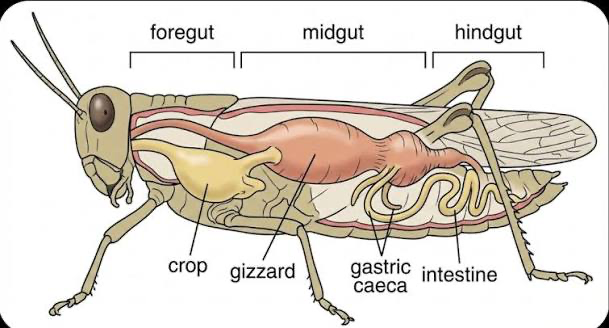
❖ Alimentary Canal: Complete
❖ Parts: Foregut, midgut and hindgut
❖ Mouth Parts:
Table 1: Types of Mouth Parts
Type | Function / Examples |
|---|---|
Biting and chewing | Cutting and chewing food; e.g. grasshopper, termites, beetles |
Chewing and lapping | Chewing + lapping nectar; e.g. honeybee, wasp |
Piercing and sucking | Piercing tissues and sucking fluid; e.g. mosquito, aphid, bug |
Sponging | Absorbing liquid food; e.g. housefly |
Siphoning | Sucking nectar through proboscis; e.g. butterfly, moth |
▢ Circulatory System:
❖ Type: Open circulatory system
❖ Heart: Dorsal contractile heart
❖ Blood Vessels: Open into sinuses or lacunae
❖ Capillaries: Absent
❖ Blood: Haemolymph
▢ Respiration:
Table 1: Respiratory Organs in Arthropods
Organ | Found In |
|---|---|
Body surface | Some small arthropods |
Gills | Aquatic crustaceans |
Tracheae | Insects and myriapods |
Book lungs | Arachnids |
Book gills | Limulus |
▢ Excretion:
Table 1: Excretory Organs
Group | Excretory Organ |
|---|---|
Crustacea | Green glands / antennary glands |
Terrestrial arthropods | Malpighian tubules |
❖ Major Excretory Product: Uric acid
▢ Nervous System and Sense Organs:
❖ Nervous System: Dorsal nerve ring and double ventral nerve cord
❖ Sense Organs:
- •Antennae
- •Simple eyes
- •Compound eyes
- •Statocysts
- •Chemoreceptors
- •Taste receptors
▢ Reproduction and Development:
❖ Sex: Usually dioecious
❖ Fertilization: Internal
❖ Development: Direct or indirect
❖ Larval Stage: May be present
❖ Parthenogenesis: Seen in some forms
❖ Special Point: Few forms are ovoviviparous
▢ Classification:
Table 1: Major Subphyla and Classes
Group | Important Characters / Examples |
|---|---|
Onychophora | Velvet worms / walking worms; Peripatus; connecting link between Annelida and Arthropoda |
Trilobitomorpha | Fossil arthropods |
Chelicerata | First pair chelicerae, second pair pedipalps; body cephalothorax + opisthosoma |
Merostomata | Limulus / horseshoe crab / king crab; living fossil |
Arachnida | Cephalothorax + abdomen; 4 pairs of legs; antennae and wings absent; book lungs |
Mandibulata | Mandibles present; body commonly head, thorax and abdomen |
Crustacea | Mostly aquatic; cephalothorax + abdomen; gills; green glands; hemocyanin |
Myriapoda | Many-legged arthropods; includes Chilopoda and Diplopoda |
Insecta | Head, thorax, abdomen; 3 pairs of legs; one pair antennae; mostly winged |
▢ Onychophora: 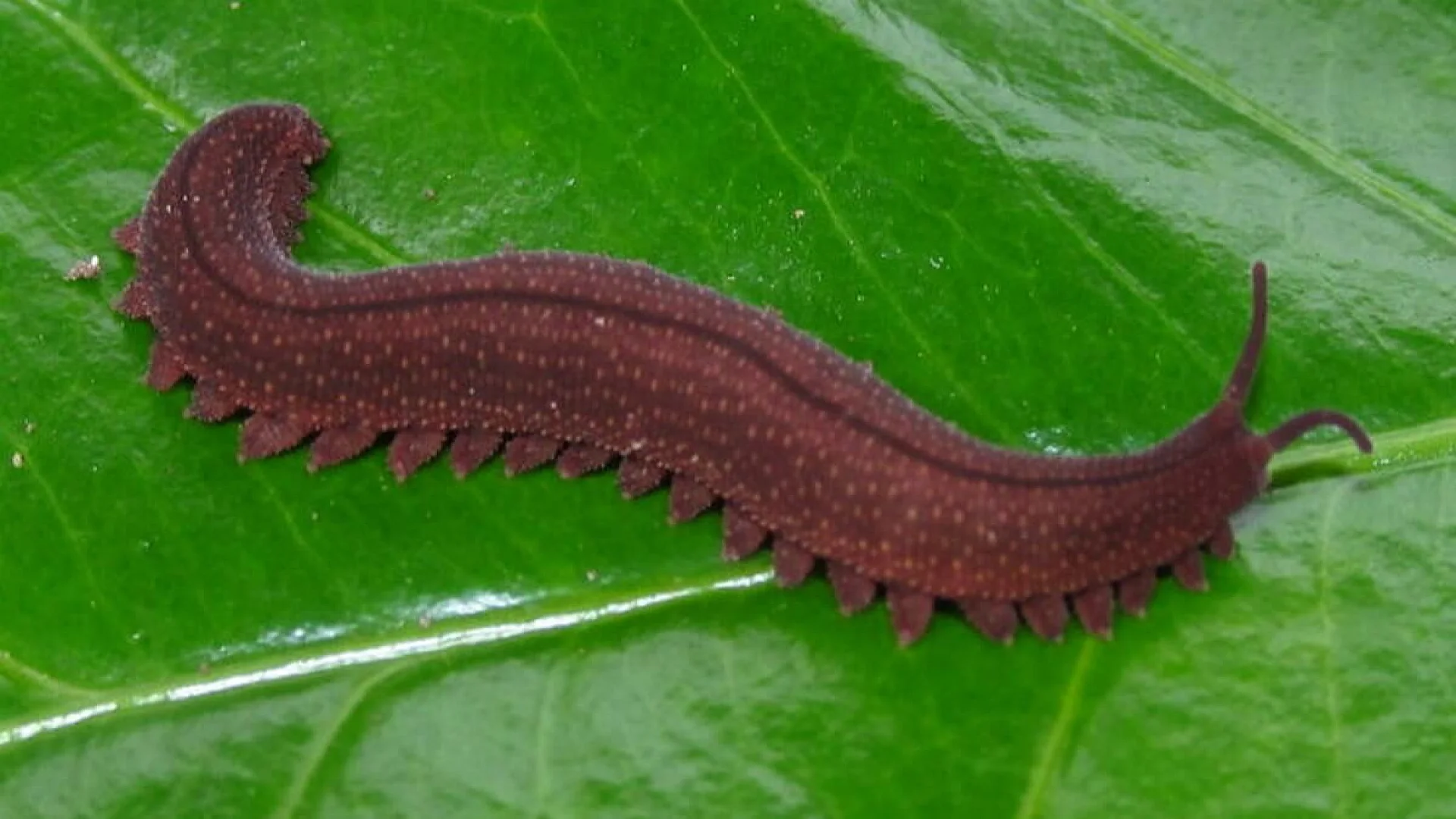
❖ Common Name: Velvet worms / walking worms
❖ Example: Peripatus
❖ Importance: Connecting link between Annelida and Arthropoda
❖ Status: Most primitive arthropod-like group
▢ Chelicerata:
❖ Body Division: Cephalothorax and opisthosoma
❖ Appendages: First pair chelicerae; second pair pedipalps
❖ Important Classes:
- •Merostomata
- •Arachnida
▢ Merostomata:
❖ Example: Limulus
❖ Common Names: Horseshoe crab / king crab
❖ Importance: Living fossil
❖ Respiration: Book gills
▢ Arachnida:
❖ Body Division: Cephalothorax and abdomen
❖ Legs: Four pairs
❖ Antennae: Absent
❖ Wings: Absent
❖ Respiration: Book lungs
❖ Eyes: Simple eyes
❖ Special Organs: Spinnerets in spiders
❖ Examples:
- •Spider
- •Scorpion
- •Mite
- •Tick
▢ Crustacea:
❖ Habitat: Mostly aquatic; dominant arthropods of sea
❖ Body Division: Cephalothorax and abdomen
❖ Carapace: Hard shield on dorsal surface
❖ Respiration: Gills
❖ Respiratory Pigment: Hemocyanin dissolved in plasma
❖ Excretion: Green glands / antennary glands
❖ Examples:
- •Daphnia
- •Cancer
- •Palaemon
- •Astacus
- •Shrimp
▢ Myriapoda:
Table 1: Chilopoda vs Diplopoda
Feature | Chilopoda | Diplopoda |
|---|---|---|
Common Name | Centipedes | Millipedes |
Body Division | Head and trunk | Head, thorax and abdomen |
Legs per Segment | One pair per trunk segment | Two pairs per abdominal segment |
Poison Claws | First pair of legs modified into poison claws | Absent |
Antennae | One pair | One pair |
Respiration | Tracheae | Tracheae |
Example | Scolopendra | Julus |
▢ Insecta:
❖ Body Division: Head, thorax and abdomen
❖ Segments: Head 6, thorax 3, abdomen 11
❖ Legs: Three pairs; all attached to thorax
❖ Antennae: One pair
❖ Wings: Usually two pairs
❖ Respiration: Tracheae
❖ Excretion: Malpighian tubules
❖ Excretory Product: Uric acid
❖ Largest Class: Largest class of animals living on land and in air
❖ Development Types:
Table 1: Development in Insects
Type | Meaning / Example |
|---|---|
Ametabolous | Direct development without metamorphosis; e.g. Lepisma |
Paurometabolous | Gradual metamorphosis; e.g. grasshopper |
Hemimetabolous | Incomplete metamorphosis; e.g. dragonfly, mayfly |
Holometabolous | Complete metamorphosis; e.g. housefly, mosquito |
▢ High-Yield Competitive Points:
Table 1: Must Remember
Question Clue | Answer |
|---|---|
Largest animal phylum | Arthropoda |
Meaning of Arthropoda | Jointed legs |
Exoskeleton | Chitinous |
Moulting | Ecdysis |
Body cavity | Haemocoel |
Circulation | Open type |
Heart | Dorsal contractile heart |
Main terrestrial excretory organ | Malpighian tubules |
Crustacean excretory organ | Green glands |
Respiration in insects | Tracheae |
Respiration in arachnids | Book lungs |
Respiration in Limulus | Book gills |
Connecting link | Peripatus |
Living fossil arthropod | Limulus |
Respiratory pigment of crustaceans | Hemocyanin |
Largest class of animals | Insecta |
Q1.
The name Arthropoda means
Q2.
Arthropoda is the largest phylum of Animalia mainly in terms of
Q3.
The exoskeleton of arthropods is mainly made up of
Q4.
Periodic shedding of cuticle in arthropods is called
Q5.
The body cavity of arthropods is mainly
Q6.
True coelom in arthropods is mainly restricted to
Q7.
Circulatory system in arthropods is generally
Q8.
The heart of arthropods is generally
Q9.
The complete alimentary canal of arthropods is divided into
Q10.
Malpighian tubules are mainly excretory organs of
Q11.
Green glands are excretory organs of
Q12.
Respiration in insects generally occurs through
Q13.
Book lungs are commonly found in
Q14.
Book gills are found in
Q15.
Peripatus is important because it is a connecting link between
Q16.
The most primitive arthropod-like group is
Q17.
Limulus is commonly known as
Q18.
Which arthropod is called a living fossil?
Q19.
In Chelicerata, the first pair of appendages is
Q20.
Arachnids possess how many pairs of walking legs?
Q21.
Spinnerets in spiders are associated with
Q22.
Crustaceans usually respire by
Q23.
The respiratory pigment commonly present in crustacean plasma is
Q24.
Carapace in crustaceans is
Q25.
Chilopoda includes
Q26.
Diplopoda includes
Q27.
In Chilopoda, the first pair of legs is modified into
Q28.
Diplopods usually have
Q29.
Insects are also called hexapods because they have
Q30.
The three tagmata of insects are
Q31.
In insects, legs are attached to
Q32.
Ametabolous development means
Q33.
Holometabolous development means