📚
INTRODUCTION
▢ Definition: Fungi are eukaryotic, achlorophyllous, heterotrophic organisms with absorptive nutrition.
▢ Study of Fungi: Mycology
▢ General Characteristics:
- •Eukaryotic organisms
- •Chlorophyll absent
- •Heterotrophic nutrition
- •Mostly non-motile
- •Unicellular or multicellular
- •Plant body represented by a thallus
- •Commonly reproduce through spores
- •Mostly terrestrial; some aquatic forms present
▢ Organization:
❖ Unicellular Form: Yeast
❖ Multicellular Form: Body composed of thread-like hyphae
❖ Hypha: Single filament of a fungus
❖ Mycelium: Mass or network of hyphae
❖ Types of Hyphae:
◉ Septate: Hypha divided into cells by septa
◉ Aseptate or Coenocytic: Multinucleate hypha without septa
▢ Cell Wall:
❖ Major Component: Chitin
❖ Other Components:
- •Glucans
- •Cellulose in some primitive groups
▢ Reserve Food:
- •Glycogen
- •Oils or fats
▢ Nutrition:
❖ Mode: Extracellular digestion followed by absorption
❖ Types:
◉ Saprophytic: Obtains nutrients from dead and decaying organic matter
◉ Parasitic: Obtains nutrients from living hosts
◉ Symbiotic:
◈ Lichen: Association between fungus and alga or cyanobacterium
◈ Mycorrhiza: Association between fungus and plant roots
▢ Habitat:
- •Soil
- •Water
- •Dead organic matter
- •Living plants and animals
- •Moist and warm environments
📚
REPRODUCTION IN FUNGI
▢ Vegetative Reproduction:
❖ Methods:
- •Fragmentation
- •Budding
- •Fission
- •Oidia formation
❖ Budding: Commonest method of reproduction in yeast
▢ Asexual Reproduction:
Table 1: Asexual Spores of Fungi
Feature | Zoospore | Sporangiospore | Conidium or Conidiospore | Chlamydospore |
|---|---|---|---|---|
Motility | Motile | Non-motile | Non-motile | Non-motile |
Wall | Thin-walled or naked | Thin-walled | Thin-walled | Thick-walled |
Site of Production | Zoosporangium | Sporangium | Produced exogenously on conidiophores or sterigmata | Formed from modification of a hyphal cell |
Condition | Usually favourable and aquatic conditions | Usually favourable conditions | Usually favourable conditions | Unfavourable conditions |
Examples | ◉ Uniflagellate: Synchytrium ◉ Biflagellate:
|
|
| Resting spore |
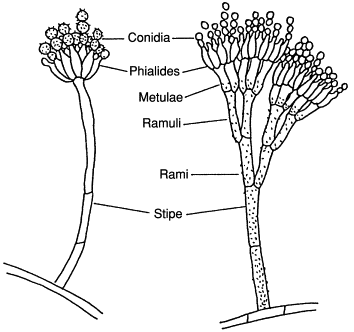
❖ Conidia:
◉ Formation:
- •Produced exogenously
- •Develop at the tip of a specialized hypha called a conidiophore
- •Conidiophore may produce sterigmata
- •Conidia commonly develop in chains
▢ Sexual Reproduction:
❖ Sex Organs:
◉ Male: Antheridium
◉ Female:
- •Ascogonium
- •Oogonium
❖ Fungal Types Based on Sexual Condition:
Table 1: Types of Fungi Based on Sexual Condition
Feature | Monoecious Fungi | Dioecious Fungi | Sexually Undifferentiated Fungi |
|---|---|---|---|
Sexual condition | Bisexual | Unisexual | Sex organs absent |
Mating type | Homothallic | Heterothallic | Positive (+) and negative (−) somatic hyphae perform sexual function |
Fertility | Self-fertile | Self-sterile | Sexual reproduction by somatic hyphae |
❖ Occurrence: Sexual reproduction occurs in all traditional fungal groups except Deuteromycetes.
❖ Phases:
◉ Plasmogamy: Fusion of cytoplasmic or protoplasmic contents of two compatible cells
◉ Karyogamy: Fusion of two haploid nuclei to form a diploid nucleus or zygote
◉ Meiosis: Reduction division in the diploid nucleus producing haploid meiospores
❖ Sexual Spores:
Table 1: Sexual Spores and Their Characteristics
Spore | Characteristics | Examples |
|---|---|---|
Oospore | Endogenously produced thick-walled sexual spore formed after gametangial contact | Albugo |
Zygospore | Endogenous resting spore produced by fusion of the entire contents of two gametangia |
|
Ascospore |
|
|
Basidiospore | Produced exogenously on a club-shaped basidium |
|
Pycniospore | Small conidium-like body produced inside a flask-shaped cavity called a pycnium | Puccinia |
❖ Types of Sexual Reproduction:
◉ Planogametic Copulation:
◈ Definition: Fusion of two compatible motile gametes of opposite sex or strains
◈ Significance: Simplest type of sexual reproduction
◈ Types:
■ Isogamy:
● Features:
- •Found in primitive fungi
- •Gametes morphologically similar
- •Gametes physiologically dissimilar
● Example: Synchytrium
■ Heterogamy:
● Definition: Fusion of gametes that are morphologically and physiologically different
● Types:
⟣ Anisogamy: Male gamete is smaller and more active than the female gamete
⟣ Oogamy:
➢ Gametangia:
- •Male gametangium = antheridium
- •Female gametangium = oogonium
➢ Gametes:
- •Antheridium produces small, active and motile sperms
- •Oogonium produces a large, non-motile egg
◉ Gametangial Contact:
◈ Definition: Two gametangia come in contact without complete fusion; male contents pass through a fertilization tube into the female gametangium
◈ Product: Oospore
◈ Example: Albugo
◉ Gametangial Copulation:
◈ Definition: Fusion of the entire contents of two gametangia without formation of a fertilization tube
◈ Examples:
- •Rhizopus
- •Mucor
- •Yeast
◉ Spermatization:
◈ Definition: A non-motile male cell called a spermatium transfers its contents into the trichogyne of an ascogonium
◈ Trichogyne: Female receptive hypha
◈ Example: Puccinia
◉ Somatogamy:
◈ Definition: Fusion of two vegetative hyphal cells in fungi lacking gametes and sex organs
◈ Example: Agaricus
Karyochorisis
❖ Definition: Intranuclear mitotic division in fungi
❖ Features:
- •Spindle fibres form within the nucleus
- •Nuclear membrane does not disappear
- •Nucleus constricts into a dumbbell shape during daughter-nucleus formation
📚
CLASSIFICATION OF FUNGI
▢ Traditional Groups:
- Myxomycetes
- Phycomycetes
- Ascomycetes
- Basidiomycetes
- Deuteromycetes
📖
Myxomycetes
▢ Common Name: Slime moulds
▢ Plant Body:
- •True hyphae absent
- •Naked
- •Amoeboid
- •Multinucleate
▢ Vegetative Phase: Naked mass of protoplasm called pseudoplasmodium
▢ Cell Wall: Absent during the vegetative phase
▢ Importance: Suitable material for studying protoplasm
▢ Examples: 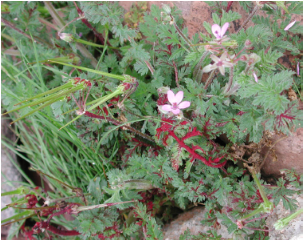
❖ Synchytrium: Causes disease called Wart disease.
Fig.Synchytrium
📖
Phycomycetes
▢ Common Names:
- •Algal fungi
- •Black moulds
▢ General Features:
❖ Hyphae:
- •Primitive
- •Aseptate
- •Multinucleate
- •Coenocytic
❖ Cell Wall: May or may not contain chitin
▢ Subgroups:
❖ Oomycetes:
◉ Common Names:
- •Water moulds
- •Egg fungi
- •Zoosporic fungi
◉ Asexual Reproduction:
◈ Aquatic Conditions: Zoospores
◈ Dry Conditions: Conidia
◉ Sexual Reproduction: Gametangial contact
◉ Sexual Spore: Oospore
◉ Examples:
◈ Synchytrium: Causes wart disease
◈ Albugo: Causes white rust of crucifers such as mustard
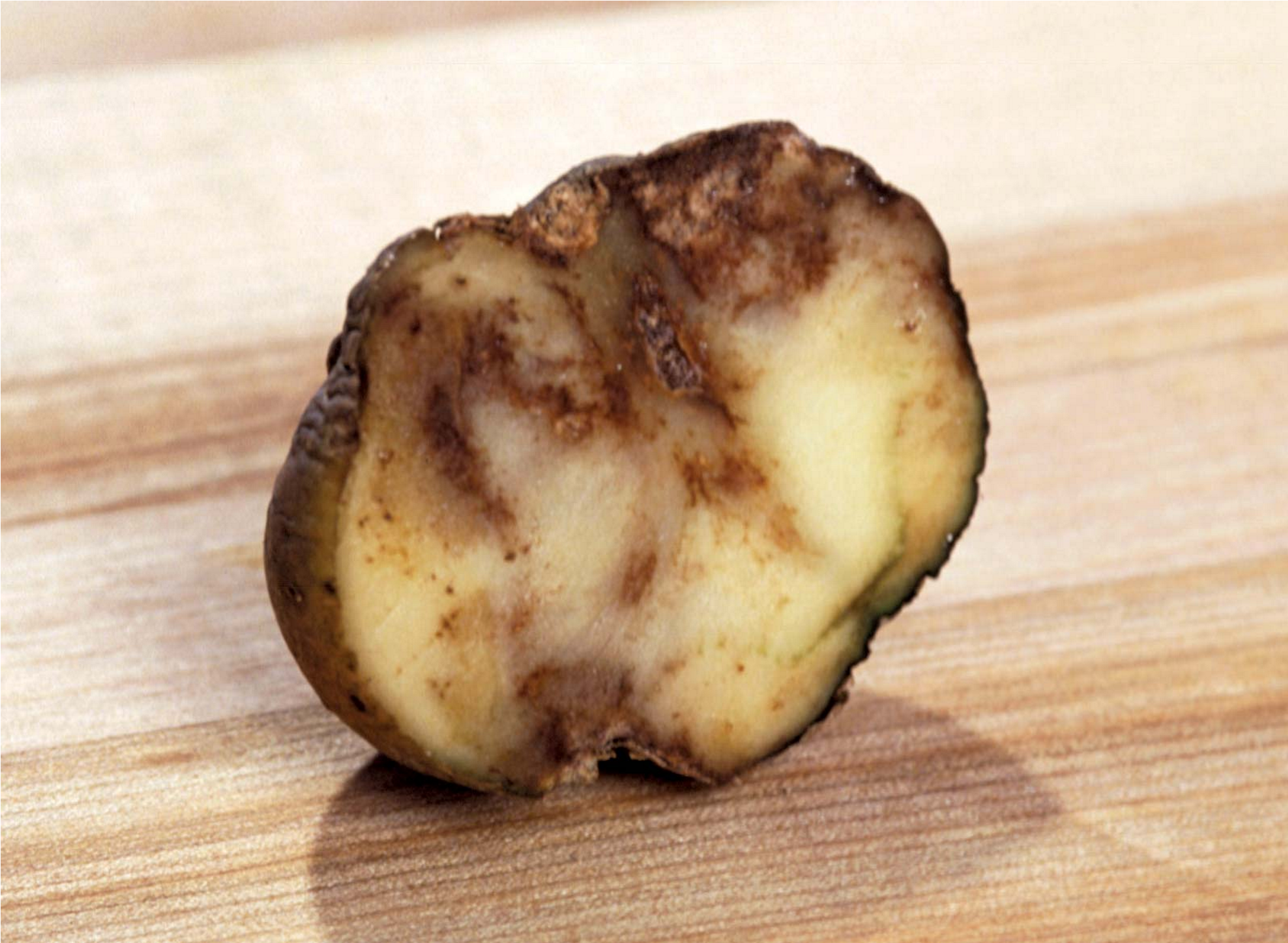
◈ Phytophthora infestans:
- Causes late blight of potato and was associated with the Irish potato famine
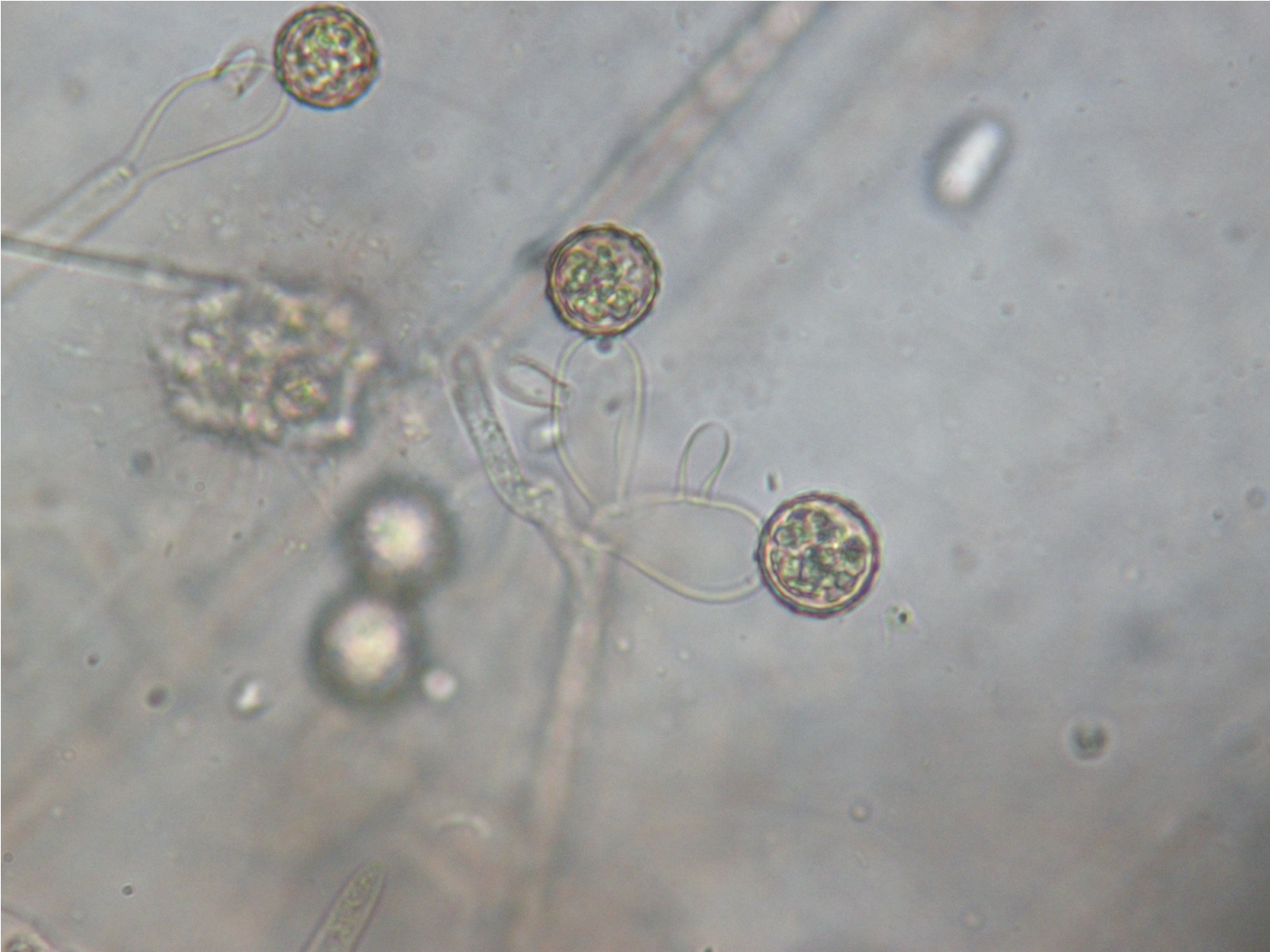
◈ Monoblepharis:
- Aquatic fungus
◈ Saprolegnia:
- Water mould
❖ Zygomycetes:
◉ Common Names:
- •Conjugation fungi
- •Zygosporic fungi
◉ Asexual Reproduction: Sporangiospores
◉ Sexual Reproduction: Gametangial copulation
◉ Sexual Spore: Zygospore
◉ Examples:
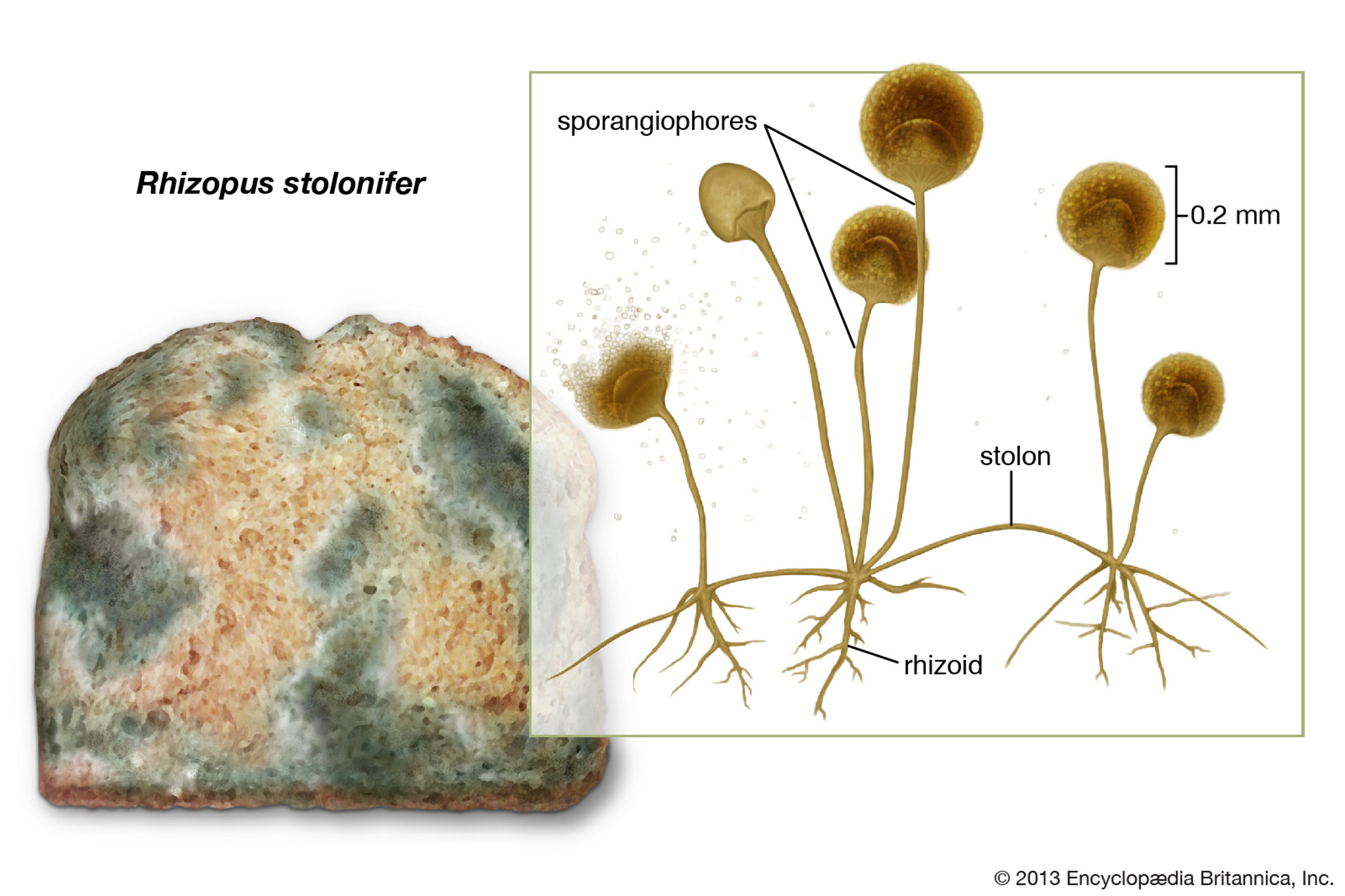
◈ Rhizopus:
- •Bread mould
- •Pin mould
◈ Mucor:
- •Dung mould
- •Pin mould
📖
Ascomycetes
▢ Common Name: Sac fungi
▢ Hyphae:
- •Septate
- •Multinucleate
- •Well-developed branched mycelium
▢ Exception: Yeasts are unicellular
▢ Cell Wall: Chitin
▢ Special Feature: Crozier formation occurs during ascus formation
▢ Vegetative Reproduction: Budding in yeast
▢ Asexual Reproduction:
❖ Spore: Conidia
❖ Formation: Non-motile spores produced exogenously on conidiophores
❖ Conidiophore Types:
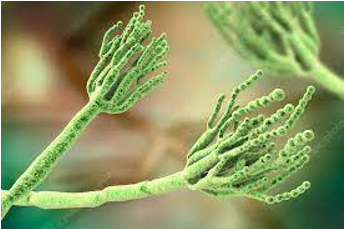
◉ Penicillium: Branched conidiophore
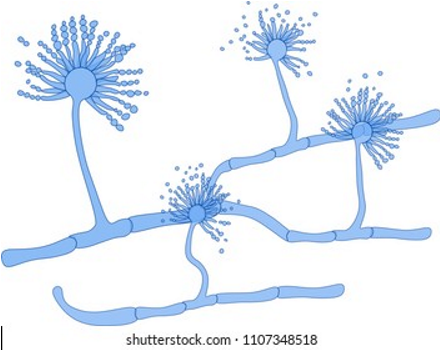
◉ Aspergillus: Unbranched conidiophore
▢ Sexual Reproduction:
❖ Reproductive Structure: Ascus
❖ Sexual Spore: Ascospore
❖ Number: Usually 8; may range from 4–8
❖ Arrangement:
◉ Neurospora: Linear arrangement
◉ Yeast: Irregular arrangement
❖ Ascocarp: Fruiting body formed by aggregation of asci
❖ Types of Ascocarps:
◉ Apothecium: Cup-shaped
◉ Perithecium: Flask-shaped
◉ Cleistothecium: Completely closed
▢ Examples:
❖ Penicillium:
- Blue or green mould
❖ Aspergillus:
- •Black mould
- •Weed of laboratory
❖ Neurospora:
- •Red mould
- •Red or pink bread mould
- •Drosophila of the plant kingdom
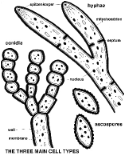
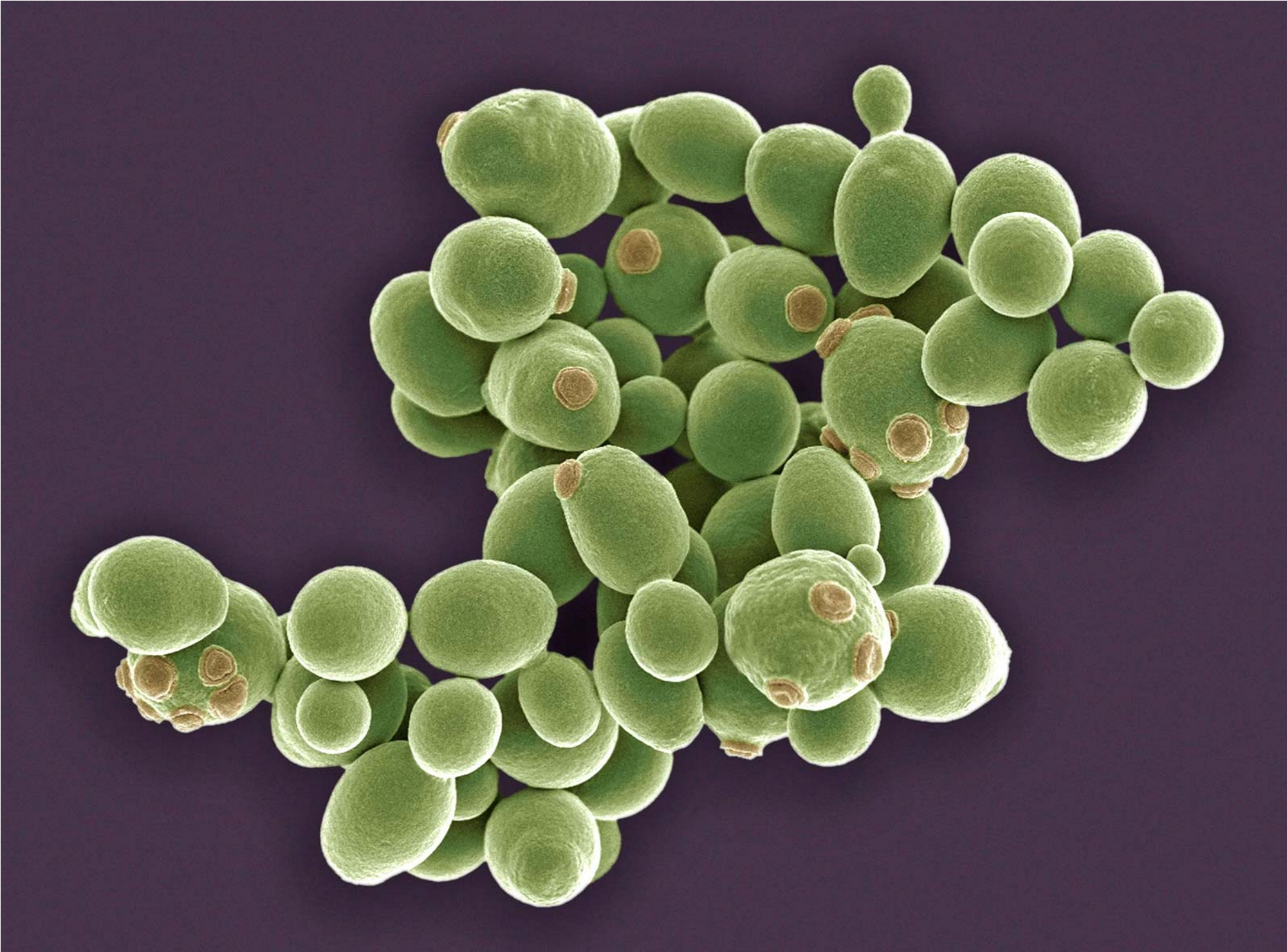
❖ Saccharomyces:
- •Budding yeast
- •Baker's yeast
- •Brewer's yeast
❖ Morchella:
- Morel
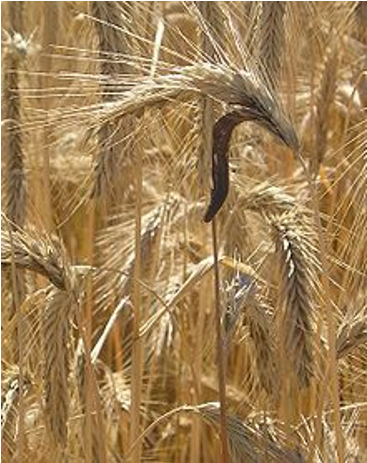
❖ Claviceps purpurea:
- •Ergot fungus
- •Source of ergot alkaloids used in the synthesis of LSD
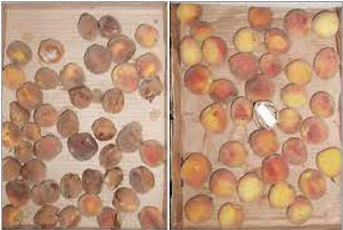
❖ Sclerotinia fructicola:
- Plant-pathogenic fungus
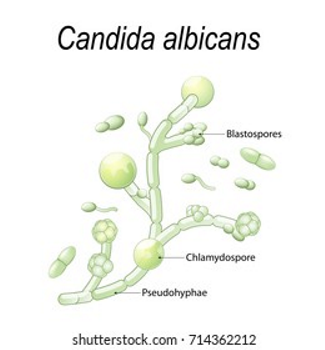
❖ Candida albicans:
- Causes candidiasis
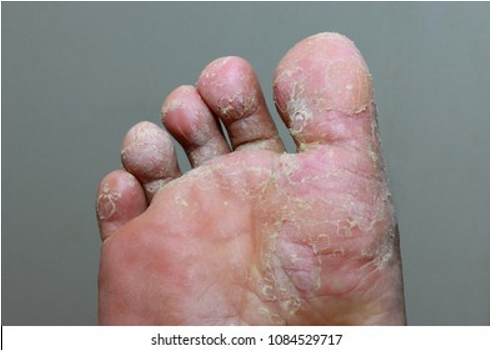
❖ Tinea:
- Dermatophytic fungal infection
📖
Basidiomycetes
▢ Common Name: Club fungi
▢ Reason: Basidia are club-shaped
▢ General Features:
❖ Hyphae:
- •Septate
- •Usually uninucleate in primary mycelium
❖ Advancement: Considered the most advanced group in the traditional classification
❖ Clamp Connection: Commonly present
❖ Septum: Dolipore septum, except in rusts and smuts
❖ Cell Wall: Chitin
▢ Sexual Reproduction:
❖ Motile Cells: Absent
❖ Sex Organs: Absent
❖ Phases Present:
- •Plasmogamy
- •Karyogamy
- •Meiosis
❖ Basidium: Characteristic reproductive organ where karyogamy and meiosis occur
❖ Basidiospores:
◉ Formation: Produced exogenously on peg-like sterigmata
◉ Number: Usually 4; sometimes 2
❖ Fruiting Body: Basidiocarp
❖ Exceptions: True basidiocarps and typical basidia are absent in Puccinia and Ustilago
▢ Examples:
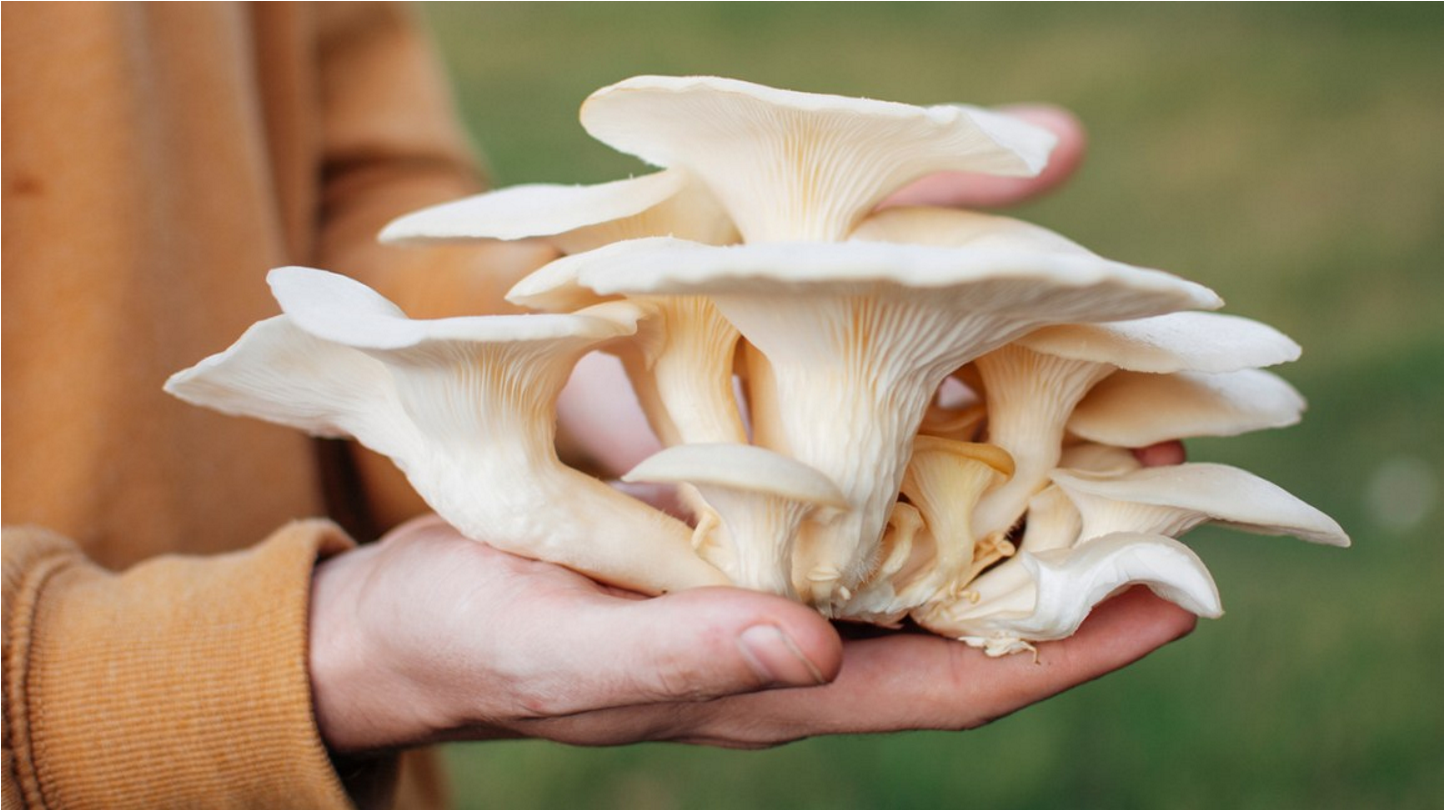
❖ Agaricus:
- •Mushroom
- •Gill fungus
- •Fairy ring
❖ Amanita:
- •Poison cup
- •Toadstool
- •Death cap
❖ Peziza: Cup fungus
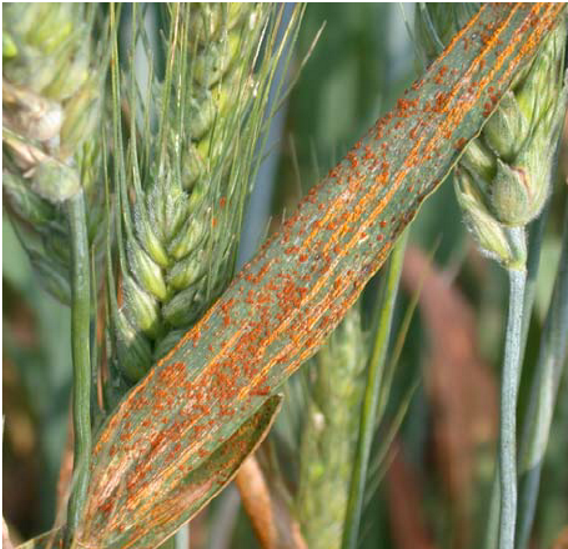
❖ Puccinia:
- •Rust fungus
- •Causes black rust of wheat
❖ Ustilago:
- Smut fungus
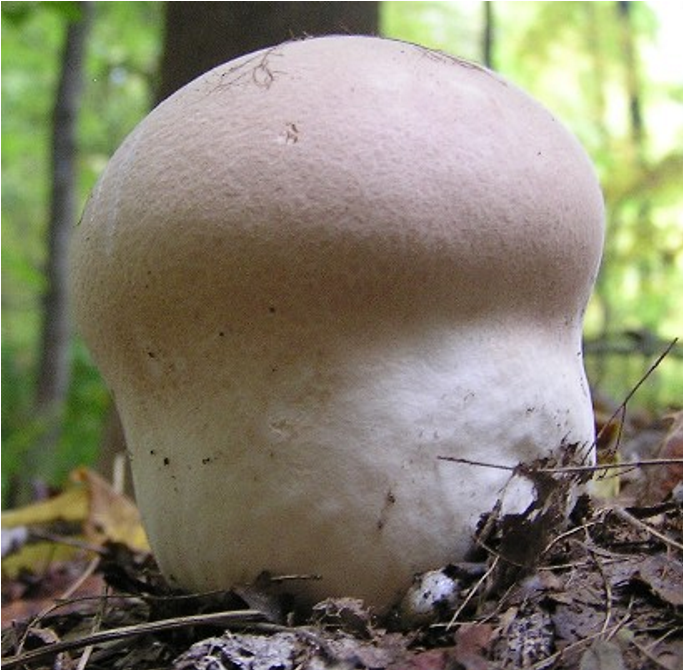
❖ Calvatia:
- Puffball
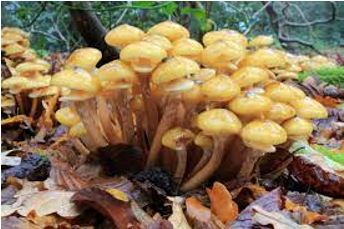
❖ Armillaria mellea:
- Honey fungus
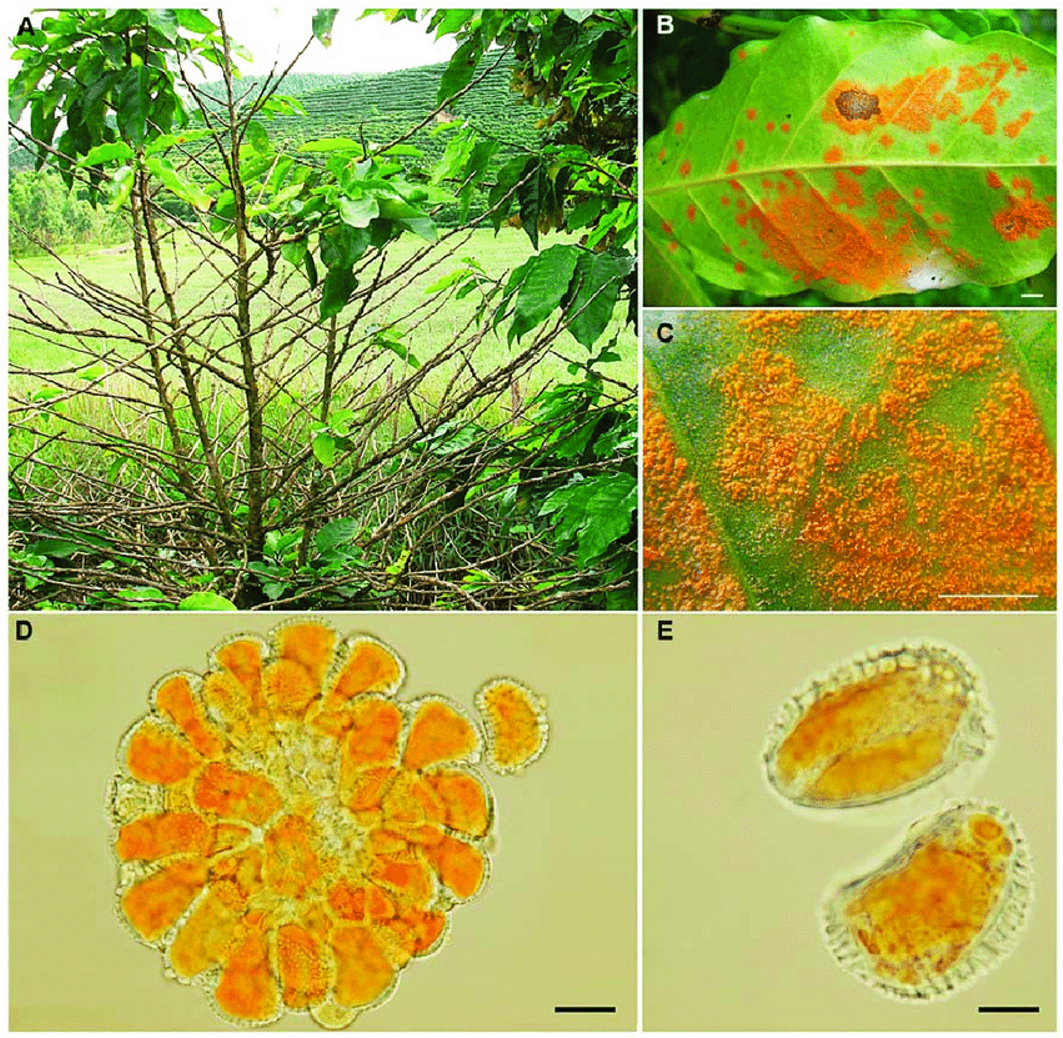
❖ Hemileia vastatrix:
- Causes coffee leaf rust
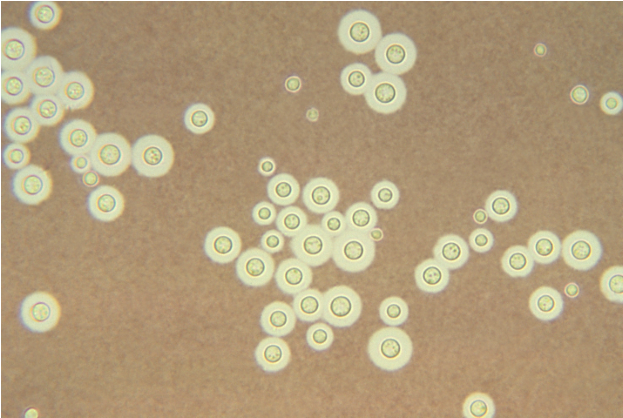
❖ Cryptococcus neoformans:
- Pathogenic encapsulated yeast
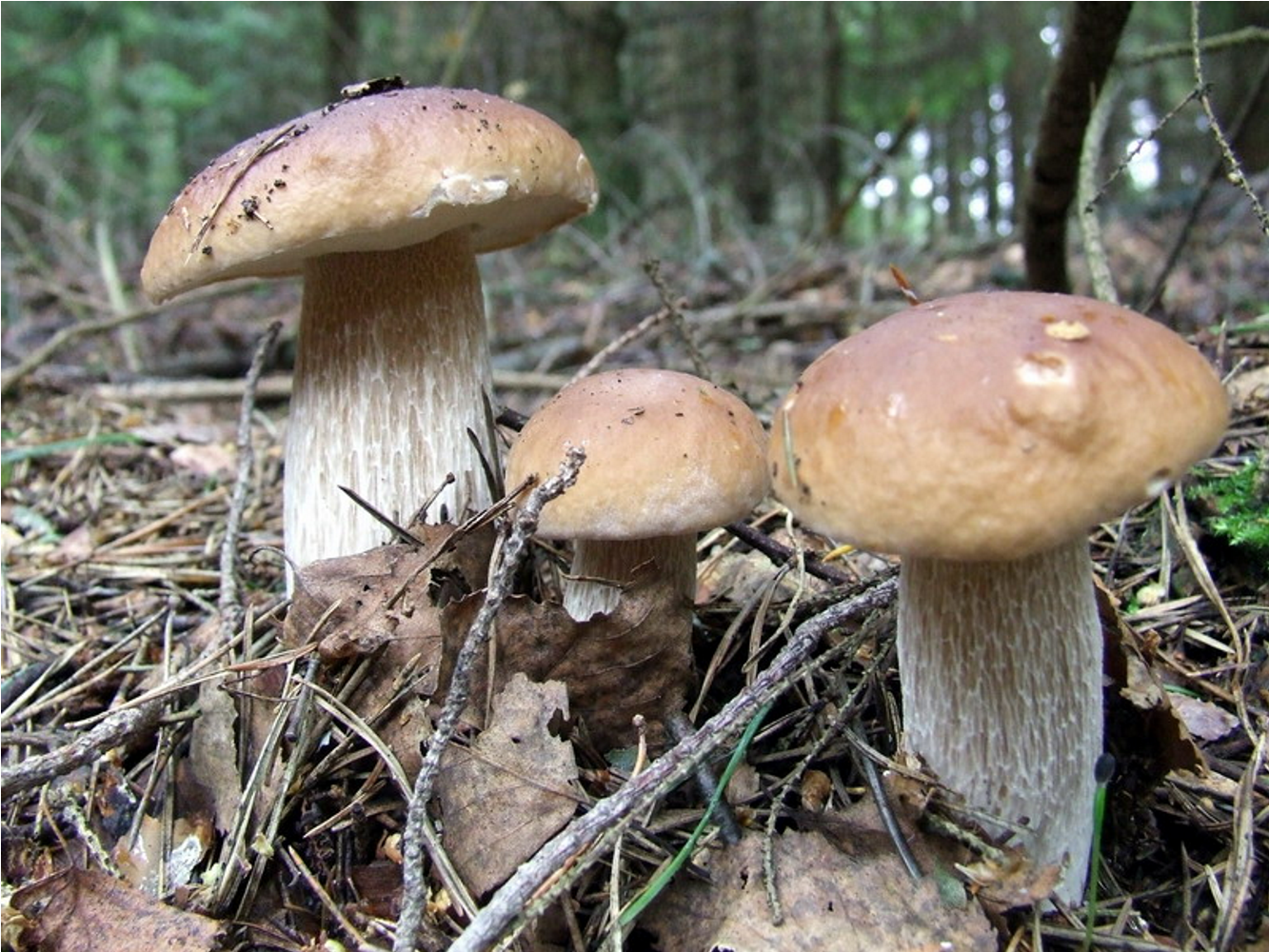
❖ Boletus:
- Pore-bearing mushroom
📖
Deuteromycetes
▢ Common Name: Fungi imperfecti
▢ Reason: Sexual reproduction is absent or unknown
▢ Hyphae:
- •Septate
- •Usually uninucleate
▢ Cell Wall: Chitin
▢ Vegetative Reproduction: Fragmentation
▢ Asexual Reproduction: Conidia
▢ Examples:
❖ Alternaria:
- Causes early blight of potato

❖ Colletotrichum:
- Causes anthracnose diseases
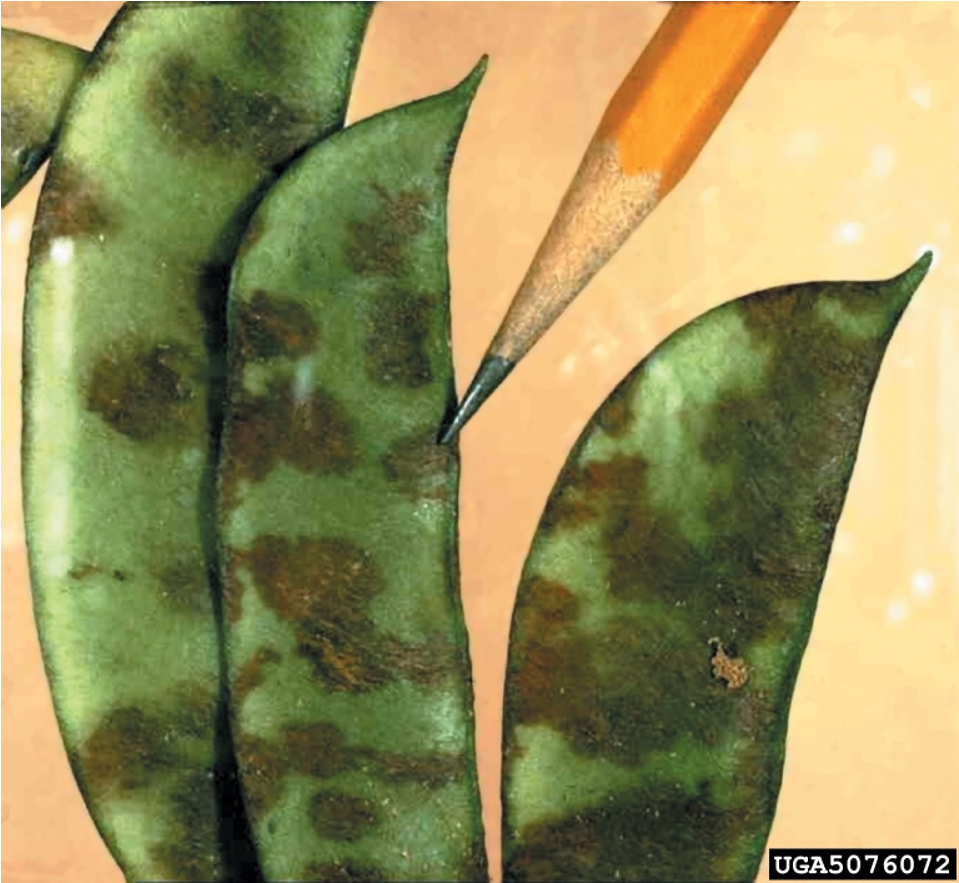
Potato Blight Mnemonic
❖ Early Blight: Alternaria
❖ Late Blight: Phytophthora infestans
❖ Mnemonic: A comes early; P comes late
Rust Diseases
❖ White Rust of Mustard: Albugo
❖ Black Rust of Wheat: Puccinia
📚
MUCOR
▢ Common Names:
- •Black mould
- •Dung mould
- •Pin mould
▢ General Features:
❖ Nutrition: Saprophytic
❖ Coprophilous Nature: Commonly grows on dung
❖ Mycelium: Coenocytic, aseptate and multinucleate
▢ Types of Hyphae:
❖ Prostrate Hyphae: Grow over the surface of the substratum
❖ Subterranean or Rhizoidal Hyphae: Penetrate the substratum
❖ Aerial Hyphae or Sporangiophores: Bear sporangia at their tips
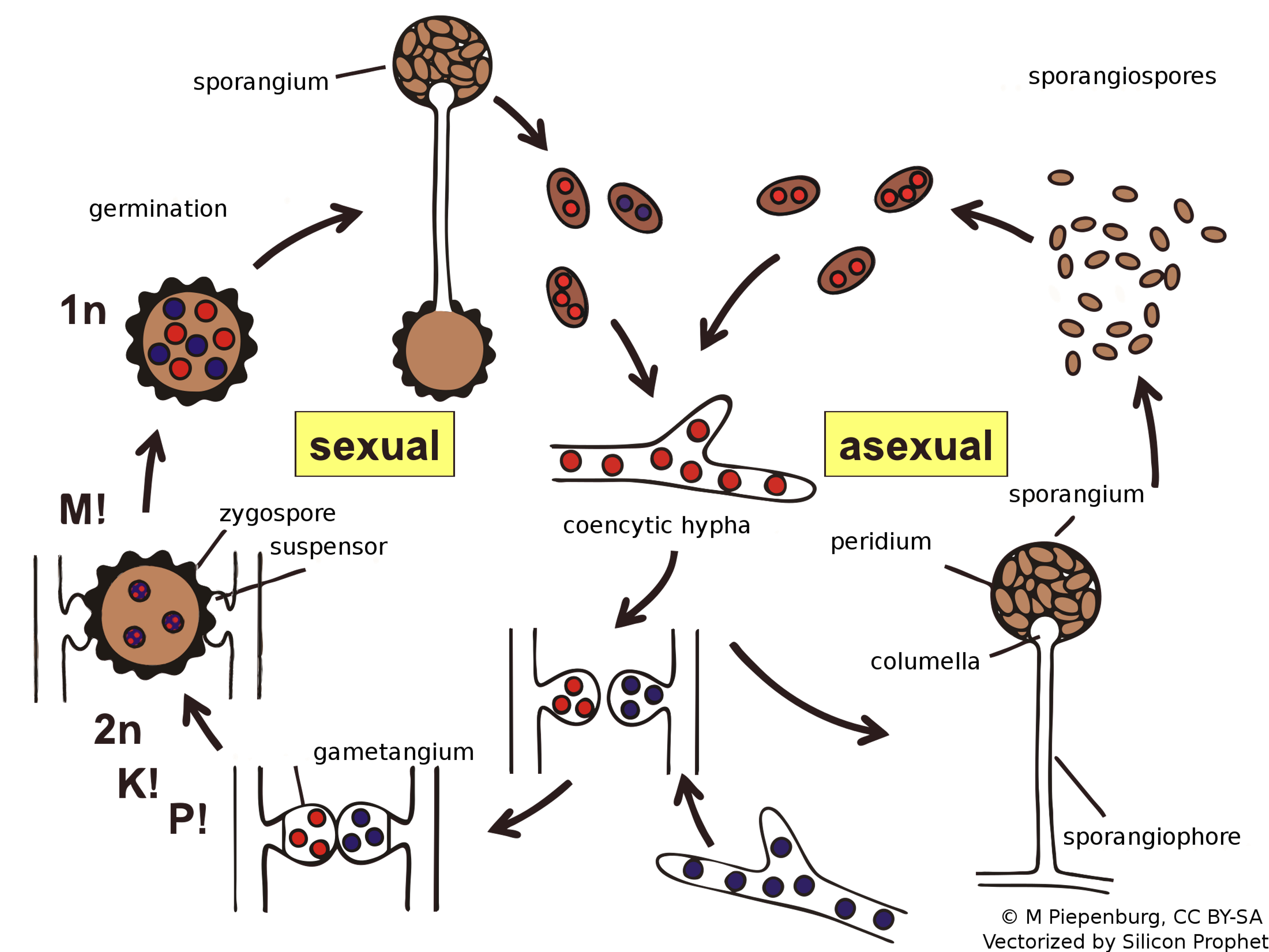
Fig.Life cycle of Mucor
▢ Vegetative Reproduction:
❖ Method: Fragmentation
▢ Asexual Reproduction:
❖ Importance: Most common method
❖ Spore:
- •Sporangiospore
- •Aplanospore
❖ Ploidy: Haploid
❖ Site: Produced inside a sporangium
❖ Structure of Sporangium:
◉ Peripheral Sporogenous Zone: Fertile region containing sporangiospores
◉ Central Columella: Dome-shaped sterile structure assisting in spore dispersal
❖ Germination: Under favourable conditions, each spore develops into a new mycelium
❖ Oidia Formation:
◉ Condition: Certain species growing in liquid media
◉ Process:
- Submerged hyphae become septate
- Rounded cells are formed
- Cells separate from one another
- Cells multiply by budding
◉ Oidia or Arthrospores: Rounded separated cells
◉ Torula Stage: Budding stage formed by oidia
▢ Sexual Reproduction:
❖ Type:
- •Isogamous
- •Gametangial copulation
❖ Thallism: Heterothallic
❖ Compatible Strains: Positive and negative hyphae
❖ Heterothallism:
◉ Definition: Fusion between morphologically similar but physiologically different thalli
◉ Discovery: First observed in Mucor by Blakeslee in 1904
❖ Zygospore Formation:
- Opposite hyphal strains come in contact
- Gametangia develop
- Entire gametangial contents fuse
- Plasmogamy and karyogamy occur
- A thick-walled diploid zygospore is formed
❖ Post-Zygospore Events:
◉ Immediate Event: Meiosis occurs soon after karyogamy
◉ Germination:
- Zygospore germinates
- Promycelium is produced
- Tip of promycelium develops a germ sporangium
- Germ sporangium contains uninucleate haploid germ spores
- Each germ spore develops into a new mycelium
❖ Azygospore or Parthenospore:
◉ Formation: Produced when conjugation fails
◉ Process: Gametangia round off and develop thick walls
◉ Ploidy: Haploid
▢ Sexual and Asexual Sporangia:
Table 1: Difference Between Asexual and Sexual Sporangia
Feature | Asexual Sporangium | Sexual Germ Sporangium |
|---|---|---|
Origin | Develops on ordinary sporangiophore | Develops at the tip of promycelium |
Columella | Present | Absent |
Protoplast | Peripheral part forms spores | Entire protoplast is converted into spores |
▢ Rhizopus and Mucor:
Table 1: Difference Between Rhizopus and Mucor
Feature | Rhizopus | Mucor |
|---|---|---|
Common Habitat | Bread | Dung |
Common Name | Bread mould | Dung mould |
Mycelial Differentiation | ◉ Types:
| Undifferentiated; one general type of hypha |
Sporangiophore | Arises in a tuft of approximately 3–5 from a node | Arises singly |
Meiosis | Occurs during zygospore germination after the resting period | Occurs soon after karyogamy before the resting period |
📚
YEAST
▢ General Features:
❖ Scientific Genus: Saccharomyces
❖ Size: Smallest fungus
❖ Organization: Unicellular
❖ Habitat: Sugary solutions
❖ Fermentation: Converts sugar into alcohol
❖ Industrial Use: Brewing and baking industries
❖ Common Species: Saccharomyces cerevisiae
❖ Common Names:
- •Baker's yeast
- •Brewer's yeast
❖ Nutritional Importance:
❖ Industrial Harm: May be harmful to the silk industry
❖ Nuclear Vacuole: Vacuole containing chromatin reticulum
▢ Vegetative Reproduction:
Table 1: Vegetative Reproduction in Yeast
Method | Example |
|---|---|
Budding | Saccharomyces |
Fission | Schizosaccharomyces |
Both budding and fission | Helobial yeast such as Saccharomycodes |
❖ Commonest Method: Budding
❖ Budding:
◉ Process:
- A small outgrowth or bud develops on the parent cell
- The bud enlarges
- Parent nucleus divides mitotically
- One daughter nucleus and mitochondria migrate into the bud
- A transverse septum develops between the bud and mother cell
- The bud separates as a daughter cell
- A bud scar remains on the mother cell
◉ Pseudomycelium: Branched or unbranched chain formed when successive buds remain attached
❖ Fission:
◉ Process:
- Yeast cell elongates
- Nucleus divides
- A transverse septum develops centripetally
- Septum thickens
- Two uninucleate daughter cells separate
▢ Asexual Reproduction:
❖ Condition: Unfavourable conditions
❖ Spore: Thick-walled endospore
❖ Process:
- Nucleus divides mitotically to form four nuclei
- Cytoplasm accumulates around each nucleus
- Each unit develops a thick wall
- Four endospores are formed
- Under favourable conditions, endospores develop into new yeast cells
▢ Sexual Reproduction:
❖ Trigger: Unfavourable conditions
❖ Type:
- •Isogamous
- •Conjugation
❖ Process:
- Two vegetative cells or ascospores function as gametangia
- Cells develop beak-like projections towards each other
- Projections meet and intervening walls dissolve
- Nuclei migrate through the conjugation tube
- Plasmogamy and karyogamy occur
- A diploid zygote is formed
- Zygote functions as an ascus
- Meiosis produces four haploid nuclei
- An additional mitosis may produce eight nuclei
- Four or eight ascospores are formed
- Ascus wall ruptures and releases ascospores
- Ascospores function as new somatic cells
❖ Site of Meiosis: Ascus
▢ Life Cycles:
Table 1: Types of Life Cycles in Yeast
Life Cycle | Example | Dominant Phases |
|---|---|---|
Haplodiplobiontic | Saccharomyces cerevisiae | Both haploid and diploid phases are prolonged |
Haplobiontic | Schizosaccharomyces octosporus | Long haploid phase; diploid phase represented mainly by the zygote |
Diplobiontic | Saccharomycodes ludwigii | Long diploid phase; haploid phase represented mainly by ascospores |
❖ Haplodiplobiontic Life Cycle:
◉ Example: Saccharomyces cerevisiae
◉ General Feature: Both haploid and diploid cells multiply by budding
◉ Dwarf Strain:
◈ Ploidy: Haploid
◈ Features:
- •Small
- •Spherical
- •Positive or negative mating type
◈ Sexual Role: Acts as a gametangium
◈ Fusion:
- Compatible dwarf cells come in contact
- Plasmogamy produces a dikaryotic condition
- Karyogamy forms a diploid synkaryon
- The resulting cell becomes a zygote
◉ Large Strain:
◈ Ploidy: Diploid
◈ Features:
- •Larger
- •Ellipsoidal
- •Multiplies by budding
◈ Unfavourable Conditions:
- Diploid cell functions as an ascus mother cell
- Meiosis produces four ascospores
- Two ascospores belong to the positive strain
- Two ascospores belong to the negative strain
◈ Favourable Conditions: Ascospores are released and germinate into haploid dwarf-strain cells
❖ Haplobiontic Life Cycle:
◉ Example: Schizosaccharomyces octosporus
◉ Dominant Phase: Haploid
◉ Diploid Phase: Short and represented by the zygote
◉ Process:
- Two mature haploid cells act as gametangia
- A conjugation tube is formed
- Nuclei fuse to form a diploid zygote
- Zygote functions directly as an ascus mother cell
- Meiosis followed by mitosis forms eight haploid nuclei
- Eight ascospores are formed
- Ascospores are released
- Each ascospore develops into a haploid cell by fission
❖ Diplobiontic Life Cycle:
◉ Example: Saccharomycodes ludwigii
◉ Dominant Phase: Diploid
◉ Haploid Phase: Short and represented by ascospores
◉ Process:
- Diploid nucleus undergoes meiosis
- Four haploid ascospores are formed
- Two nearby ascospores of opposite mating types fuse inside the ascus
- Diploid cells are formed within the ascus
- Diploid cell develops a germ tube
- Germ tube penetrates the ascus wall
- Diploid yeast cells are produced by budding
▢ Other Methods of Conjugation:
❖ Adelphogamy:
◉ Definition: Copulation between two adjoining sister cells
◉ Type: Isogamous
◉ Feature: Sister cells remain attached after fission and form short chains
❖ Pedogamy:
◉ Definition: Conjugation between a mother cell and its bud
◉ Type: Anisogamous
◉ Male Cell: Small daughter cell
◉ Female Cell: Large parent cell
❖ Parthenogamy: Formation of asci without copulation
📚
AGARICUS
▢ Common Names:
- •Mushroom
- •Club fungus
- •Gill fungus
- •Fairy ring
▢ General Features:
❖ Nutrition: Saprophytic
❖ Hyphae:
- •Septate
- •Initially uninucleate in primary mycelium
❖ Visible Fruiting Body: Basidiocarp
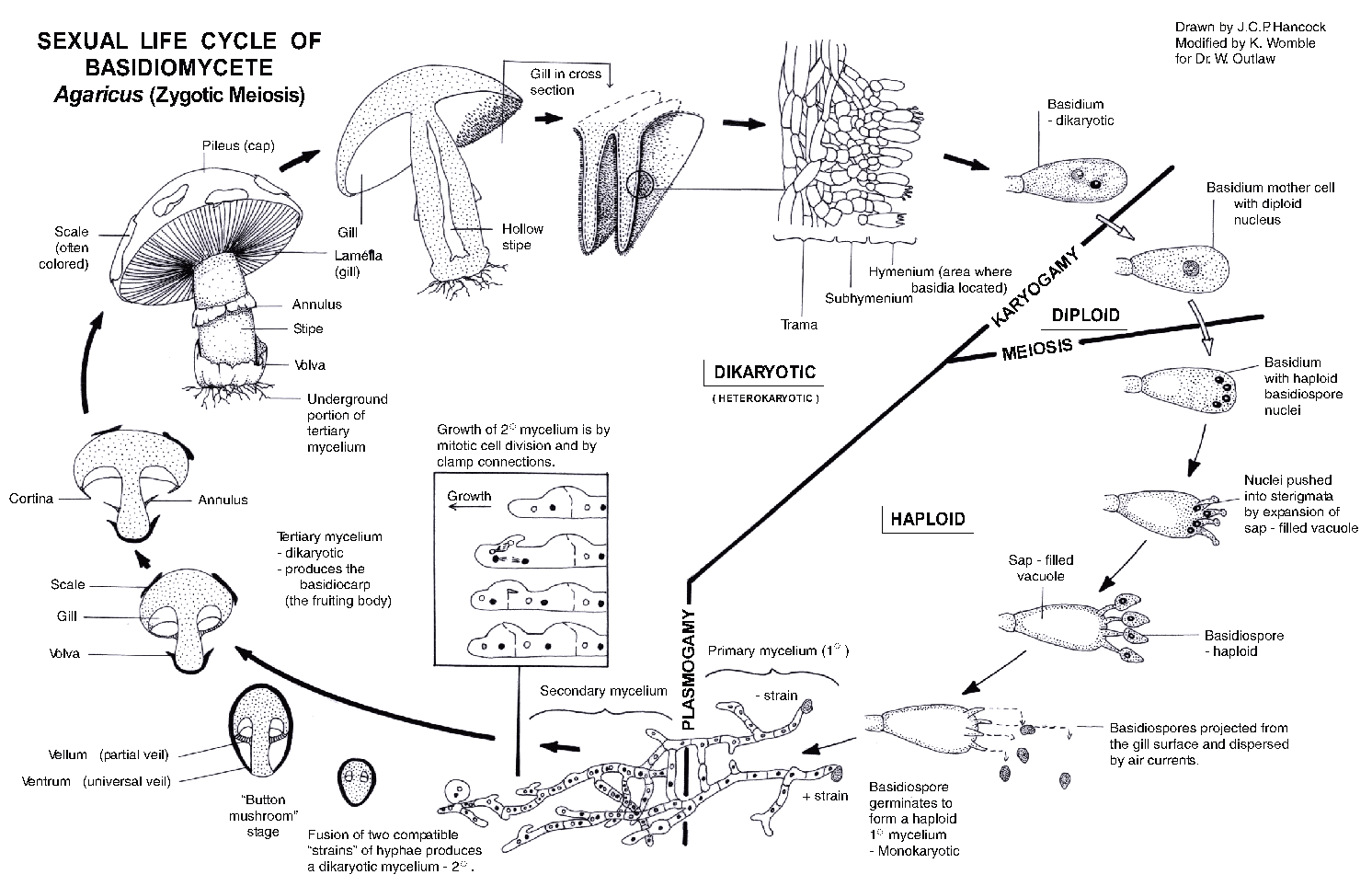
▢ External Structure:
❖ Stipe: Fleshy stalk
❖ Pileus: Umbrella-shaped cap
❖ Gills: Radiating plates present on the lower surface of the pileus
▢ Vegetative Propagation:
❖ Method: Small pieces of dikaryotic mycelium
❖ Commercial Portion: Edible fruiting body develops from dikaryotic mycelium
▢ Asexual Reproduction:
❖ Occurrence: Rare
❖ Spore: Chlamydospore
▢ Sexual Reproduction:
❖ Sex Organs: Absent
❖ Method: Somatogamy
❖ Result: Formation of dikaryotic secondary mycelium
❖ Basidiocarp Formation: Dikaryotic mycelium develops into the fruiting body
▢ Gill Structure:
❖ Trama: Central region of the gill
❖ Subhymenium: Layer of small rounded cells on either side of the trama
❖ Hymenium: Outermost fertile layer of the gill
❖ Components of Hymenium:
◉ Basidia:
- •Aseptate
- •Club-shaped
- •Fertile cells
◉ Paraphyses: Sterile cells intermixed with basidia
▢ Basidium and Basidiospores:
❖ Sterigmata: Each basidium usually develops four sterigmata
❖ Basidiospores: One basidiospore develops at the tip of each sterigma
❖ Germination: Each basidiospore forms a primary mycelium
▢ Types of Mycelia:
Table 1: Mycelial Stages in Mushroom
Mycelium | Nuclear Condition | Ploidy | Formation |
|---|---|---|---|
Primary Mycelium | Monokaryotic or uninucleate | Haploid | Produced by germination of a basidiospore |
Secondary Mycelium | Dikaryotic or binucleate | Produced by fusion of two compatible primary mycelia | |
Tertiary Mycelium | Organized dikaryotic tissue; diploid stage occurs briefly inside basidia | Forms the basidiocarp |
▢ Dikaryotisation:
❖ Definition: Formation of dikaryotic secondary mycelium by fusion of compatible primary mycelia
❖ Occurrence: Characteristic of Basidiomycetes
▢ Dolipore Septum:
❖ Presence: Present in the hyphae of most Basidiomycetes
❖ Function: Regulates movement of cytoplasm and organelles between adjacent hyphal cells
Q1.
Which one is not found in Agaricus. [MOE 2008]
📅MOE 2008
Q2.
The fungal spores which are produced at the tip of the hyphae are: [MOE 2064 Ashwin, IOM 2003]
📅MOE 2064 Ashwin, IOM 2003
Q3.
Agaricus the edible mushroom belongs to: [MOE 2063, IOM 2003, 2010]
📅MOE 2063, IOM 2003, 2010
Q4.
Which of the following shows heterotrophic mode of nutrition? [MOE 2064]
📅MOE 2064
Q5.
Yeast belongs to [MOE 2063]
📅MOE 2063
Q6.
Columella is found in the fruiting of: [MOE 2063]
📅MOE 2063
Q7.
Coenocytic mycelium of Mucor refers to: [MOE 2062]
📅MOE 2062
Q8.
The fungl in which zygospore is found is: [MOE 2061]
📅MOE 2061
Q9.
Motile spore in fungi is: [MOE 2003]
📅MOE 2003
Q10.
Commonest mode of reproduction in yeast is: [MOE 000]
📅MOE 000
Q11.
Late blight of potato is caused by: [IOM 2007]
📅IOM 2007
Q12.
The organism which has the property of changing sugar into alcohol is: [IOM 2006]
📅IOM 2006
Q13.
The association of fungus and roots of higher plants are called: [IOM 2006]
📅IOM 2006
Q14.
Which is used in brewing industry?[IOM 2005]
📅IOM 2005
Q15.
Mycorrhiza is association between:LIE 2009
📅LIE 2009
Q16.
Bread mould is the name of:[IOM 2003)
📅IOM 2003)
Q17.
Heterotrophic lower organism is: [IOM 2002, 2001
📅IOM 2002, 2001
Q18.
Branched conidiophores are found in: [IOM 2000]
📅IOM 2000
Q19.
Penicillin, which is widely used as antibiotic, is obtained from: [IOM 1997, 1996]
📅IOM 1997, 1996
Q20.
The mode of nutrition in fungi is mostly: [IOM 1997]
📅IOM 1997
Q21.
Ergotin is obtained from: [IOM 1996]
📅IOM 1996
Q22.
LSD is obtained from: [IOM 1996]
📅IOM 1996
Q23.
Bread becomes mouldy when exposed to air because of the presence of spores of Mucor/Rhizopus in: [BPKIHS 2000]
📅BPKIHS 2000
Q24.
"Clamp connection" and "Dolipore septum" are the characters of: [BPKIHS 2005]
📅BPKIHS 2005
Q25.
Yeasts are harmful for: [BPKIHS 2007)
📅BPKIHS 2007)
Q26.
Yeast is the important source of [BPKIHS 1994]
📅BPKIHS 1994
Q27.
Molecular formula of chitin is: [BPKIHS 2005]
📅BPKIHS 2005
Q28.
Black rust of wheat is caused by: [BPKIHS 2007]
📅BPKIHS 2007
Q29.
Reserve food material in fungi is: [I.E. 2004, MOE 2010]
📅I.E. 2004, MOE 2010
Q30.
In which of the following, collumella is present in sporangium [IE 2003]
📅IE 2003
Q31.
White rust can be found in: [IE 2001]
📅IE 2001
Q32.
Which of the following is not an autotroph [IE 2002]
📅IE 2002
Q33.
The part of the mushroom seen above the ground is: [IE 2002]
📅IE 2002
Q34.
Which belong to sac fungi [IE 2005]
📅IE 2005
Q35.
Which of following is absent in fungi? [IE 2006]
📅IE 2006
Q36.
Which of the following group is not comprised of sac fungi? [IE 2007]
📅IE 2007
Q37.
Sexual reproduction is absent in which class of fungi? [BPKIHS - 2016]
📅BPKIHS - 2016
Q38.
Foolish seedling/ Bakane disease of rice is caused by [BPKIHS - 2014]
📅BPKIHS - 2014
Q39.
Yeast is harmful for [BPKIHS - 2013]
📅BPKIHS - 2013
Q40.
In which of the following meiosis occur? [IOM-2014]
📅IOM-2014
Q41.
The fungus absorbs the food by [IOM-2013]
📅IOM-2013
Q42.
Mycorrhiza is [IOM-2016]
📅IOM-2016
Q43.
The secretory product of soil fungus 'green moulds' is called [IOM-2015]
📅IOM-2015
Q44.
Which of the following is constituent of fungal wall? [MOE 2014]
📅MOE 2014
Q45.
Reproduction in mucor occurs by [MOE 2014]
📅MOE 2014
Q46.
Gills occur in [MOE 2012]
📅MOE 2012
Q47.
The central portion of the gills of Agaricus is [MOE 2068]
📅MOE 2068
Q48.
Mucor is commonly called as [MOE 2068]
📅MOE 2068
Q49.
Apogamous sporophytes formed in ferns are [MOE 2068]
📅MOE 2068
Q50.
Mucor belongs to [MOE 2010]
📅MOE 2010
Q51.
Storage food of fungi is [MOE 2010]
📅MOE 2010