📚
GENETIC MATERIAL
▢ Main Genetic Material:
Table 1: Genetic material
Condition | Genetic material |
|---|---|
Most organisms | DNA |
Some viruses | RNA |
📖
Dna structure
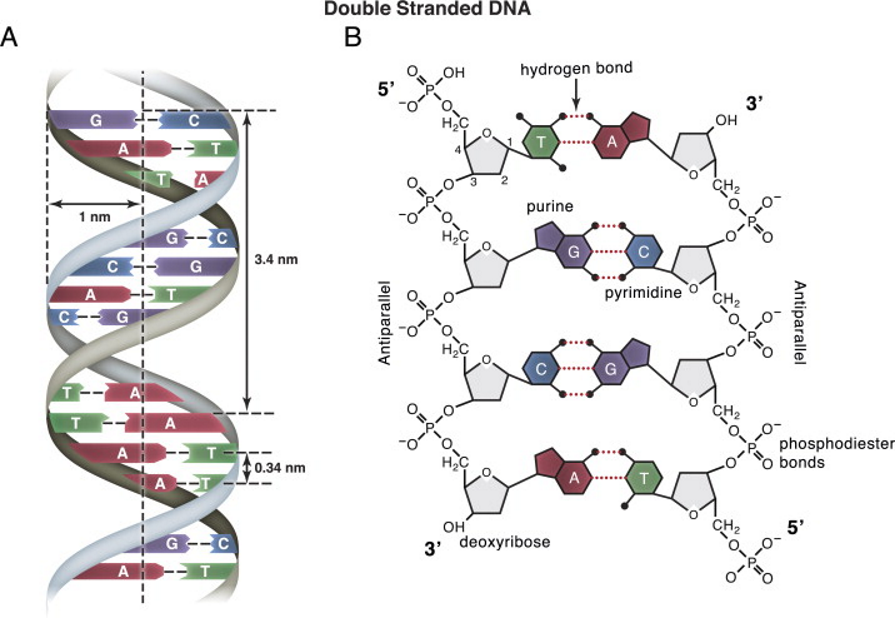
▢ Nucleotide:
Table 1: Nucleotide vs nucleoside
Unit | Composition |
|---|---|
Nucleotide | Nitrogenous base + pentose sugar + phosphate group |
Nucleoside | Nitrogenous base + pentose sugar |
DNA sugar | Deoxyribose |
RNA sugar | Ribose |
▢ Bonds: 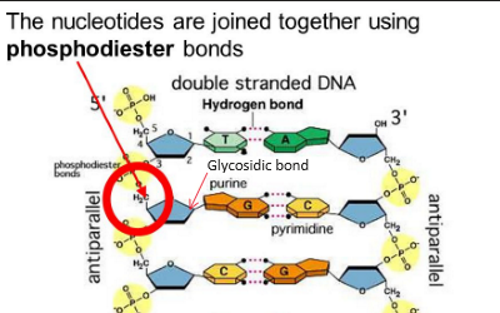
Table 1: Bonds in nucleic acids
Bond | Location / Role |
|---|---|
Hydrogen bond | Between complementary nitrogen bases |
Glycosidic bond | Base + sugar |
Phosphodiester bond | Sugar-phosphate backbone |
📖
Rna
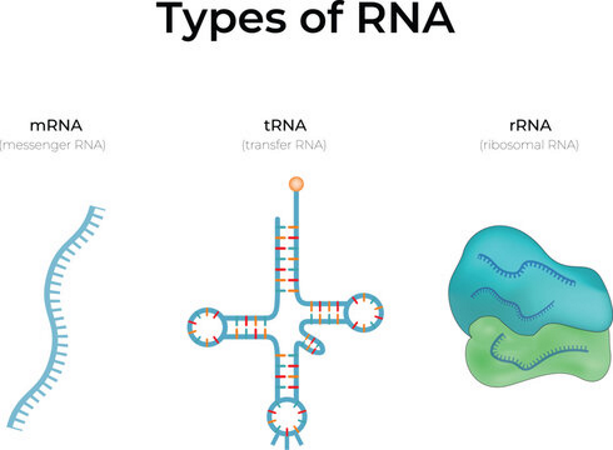
Table 1: Types of RNA
Feature | r-RNA | m-RNA | t-RNA |
|---|---|---|---|
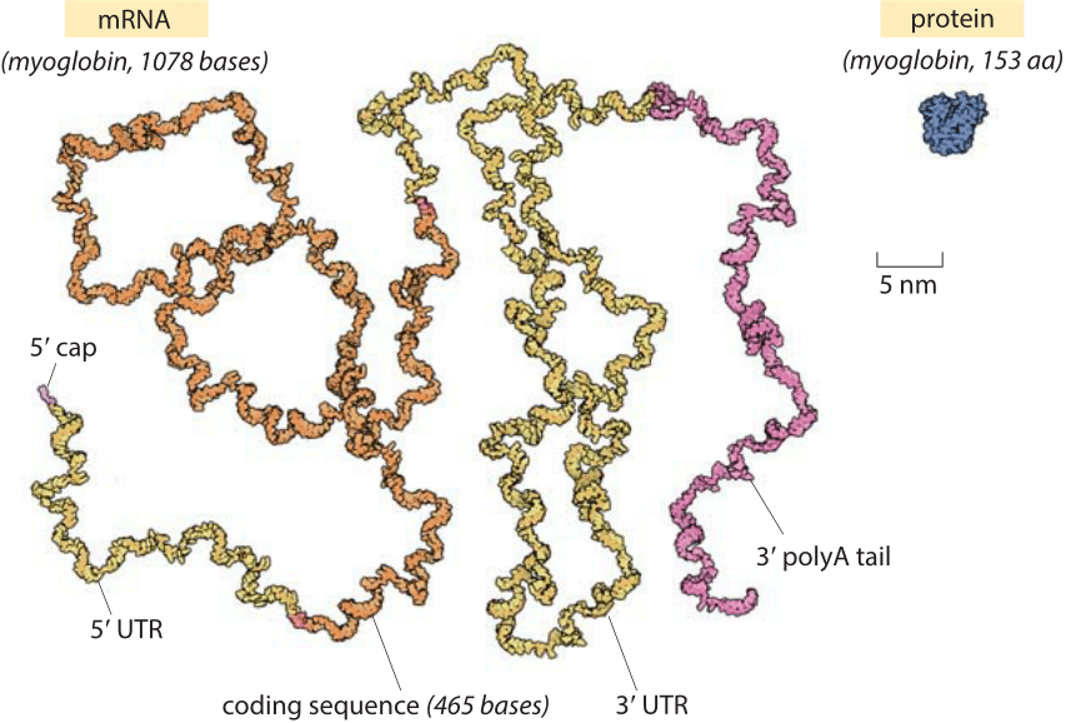 | 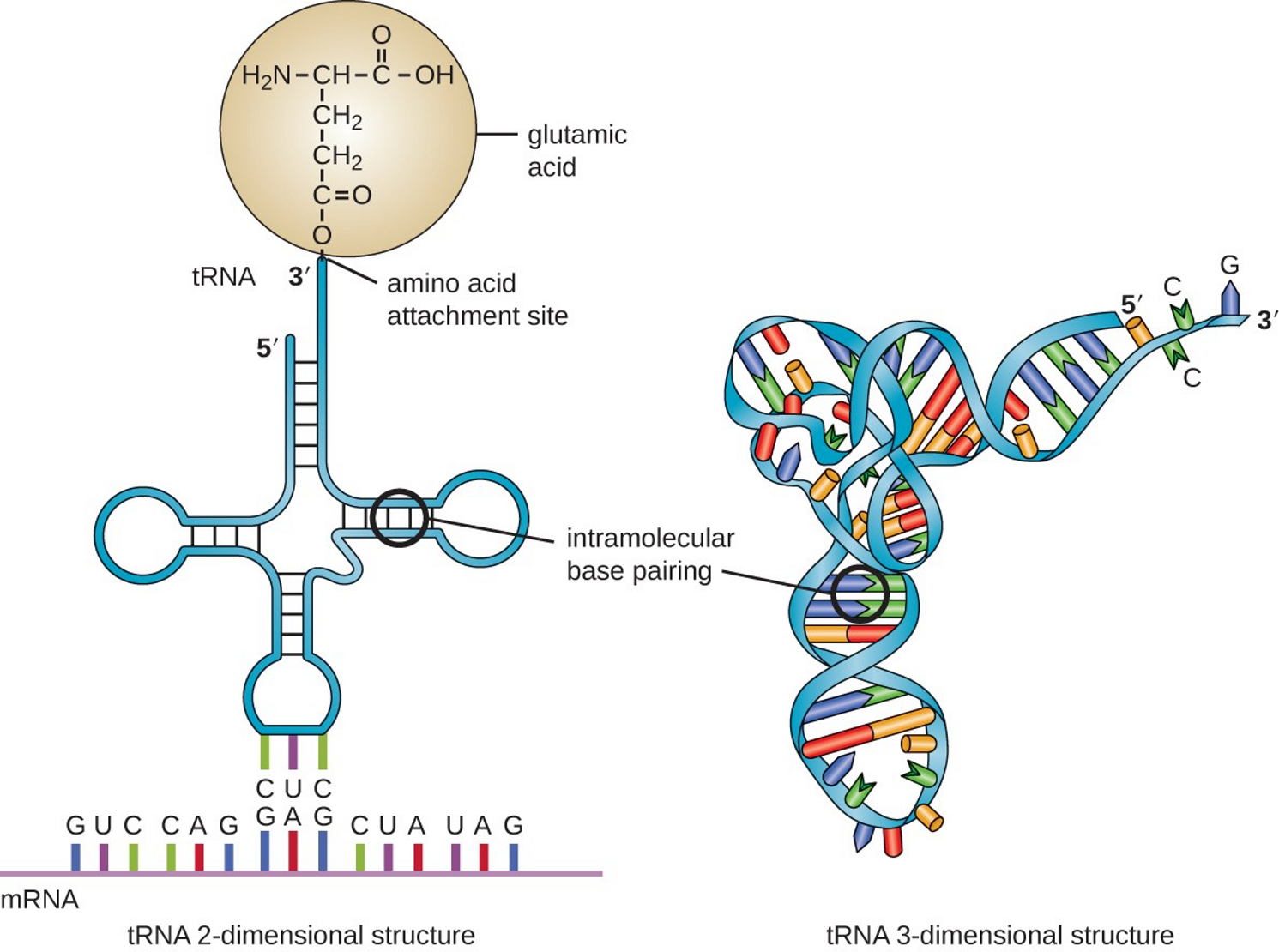 | ||
Stability | Most stable; long-lived | Least stable; short-lived | Stable |
Abundance | |||
Special points | Ribosomal RNA | Messenger RNA |
|
📖
Some terms
▢ Gene:
❖ Definition: Smallest DNA segment specified for particular function
❖ Mendel Term: Factor
❖ Gene Units:
Table 1: Gene units
Unit | Meaning |
|---|---|
Cistron | Functional unit of gene; specific for one protein |
Muton | Smallest gene segment undergoing mutation |
Recon | Smallest gene segment undergoing recombination |
❖ MCQ Points:
Q1.
Gene is
Q2.
Which term can be used as a gene unit?
▢ Transposons / Jumping Genes: DNA segments capable of changing position within genome
▢ Retroposon:
❖ Definition: DNA segment formed from RNA by reverse transcription
❖ Flow:
▢ Alleles / Allelomorphs:
- •Alternative forms of same gene
- •Present at identical locus of homologous chromosomes
- •One gene with 2 alleles → biallelism
- •One gene with >2 alleles → multiple allelism
📚
SEMI-CONSERVATIVE DNA REPLICATION
▢ Proof: Experimentally proved by Meselson and Stahl
▢ Replication Pattern:
Table 1: DNA replication pattern
Organism | Replication structure |
|---|---|
Prokaryotes | |
Eukaryotes | Y-fork / replication fork |
▢ Replication Enzymes / Proteins: 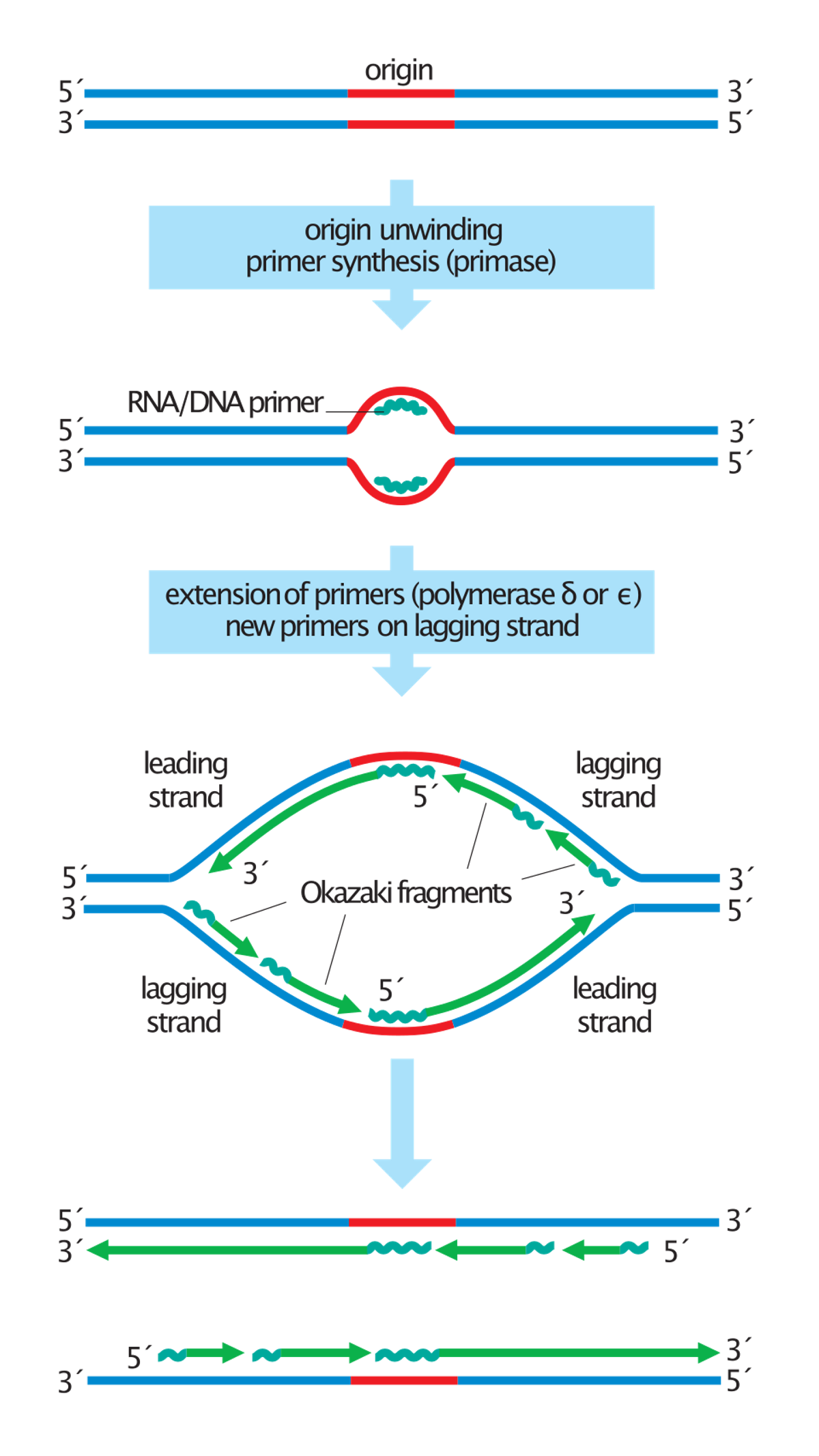
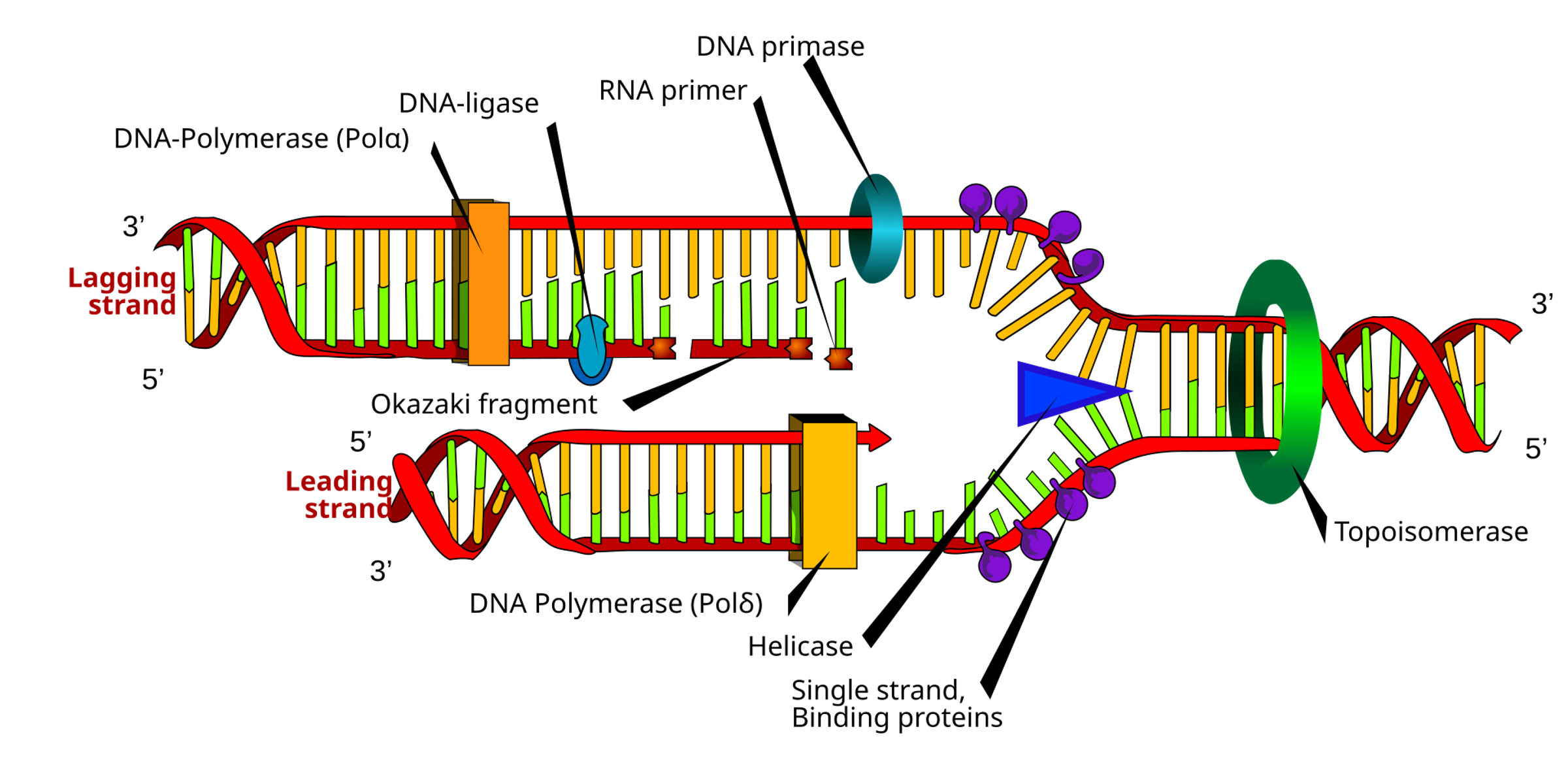
Table 1: DNA replication enzymes and functions
Enzyme / Protein | Present in | Function |
|---|---|---|
Helicase | Both | Breaks H-bonds → DNA unwinding |
Topoisomerase-I | Both | Cuts + reseals single DNA strand; cut in front of replication fork; relaxes coiling |
Topoisomerase-II | Both | Cuts + reseals double DNA strand; cut behind replication fork; relaxes supercoiling |
DNA gyrase | Prokaryotes | Type of topoisomerase; relieves supercoiling |
Single-stranded binding protein / SSB protein | Both | Prevents annealing / renaturation |
Primase | Both | Synthesizes RNA primer |
DNA polymerase | Both | Synthesis of new DNA strands |
DNA polymerase-I / Kornberg enzyme | Prokaryotes | Proofreading; elongation of Okazaki fragment; removal of RNA primer |
DNA polymerase-II | Prokaryotes | Acts in absence of DNA polymerase-I and DNA polymerase-III |
DNA polymerase-III | Prokaryotes | Main enzyme of replication |
Eukaryotes | Synthesizes lagging strand | |
Eukaryotes | Synthesizes leading strand | |
DNA ligase | Both | Joins Okazaki fragments |
▢ Key Events:
- •Helicase → unwinding
- •SSB protein → strand stabilization
- •Primase → RNA primer
- •DNA polymerase → strand synthesis
- •DNA ligase → Okazaki fragment joining
📚
CROSSING OVER
▢ Definition: Exchange of genetic material between non-sister chromatids of homologous chromosomes → new combination
▢ Key Points:
- •Crossing over ∝ distance between linked genes
- •Single/double/multiple crossing over → depends on number of chiasmata
- •Reported in Drosophila by T. H. Morgan
- •Most accepted theory → precocity/strain theory by Darlington
- •More in females than males
- •Increases at high + low temperature
- •Occurs at tetrad stage of pachytene
- •Well demonstrated in Neurospora
▢ Types:
Table 1: Types of crossing over
Type | Site | Occurrence / Examples |
|---|---|---|
Germinal crossing over | Germinal cells | During gamete formation |
Somatic crossing over | Somatic cells | Maize, Aspergillus, Drosophila / MAD |
▢ Significance:
- •Basis of linkage maps / genetic maps
- •Produces recombination
- •Strong proof for linear arrangement of genes on chromosome
▢ Recombination Frequency:
📚
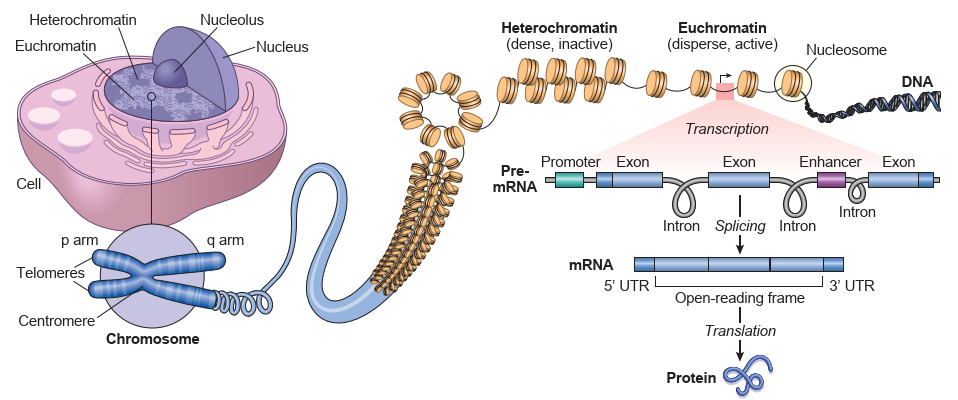
CENTRAL DOGMA OF LIFE
▢ Definition: Central dogma explains the flow of genetic information from DNA to RNA and from RNA to protein.
▢ Proposed By: Francis Crick
▢ Pattern:
📖
Transcription
▢ Definition: Process of formation of RNA from a DNA template.
▢ Pattern:
▢ Enzyme: RNA polymerase
▢ Site:
Table 1: Site of transcription
Cell Type | Site |
|---|---|
Prokaryotic cell | Cytoplasm / nucleoid region |
Eukaryotic cell | Nucleus |
▢ Important Point: During transcription, information present in DNA is copied into RNA, mainly mRNA for protein synthesis.
📖
Translation

▢ Definition: Process by which the genetic information present in mRNA is used to synthesize a protein.
▢ Pattern:
▢ Site: Ribosome in cytoplasm
▢ Requirements:
- •mRNA carries genetic information
- •tRNA brings specific amino acids
- •Ribosome provides the site for protein synthesis
- •Amino acids are joined to form a polypeptide chain
▢ Important Point: The nucleotide sequence of mRNA determines the amino acid sequence of the protein.
📝
Genetic Code
▢ Codon:
❖ Definition: A codon is a sequence of three nitrogenous bases or nucleotides in mRNA that specifies an amino acid or a termination signal during protein synthesis.
❖ Triplet Nature: Each codon consists of 3 nucleotides.
❖ Total Number of Codons: 64
❖ Types of Codons:
Table 1: Types of codons
Type | Number | Function |
|---|---|---|
Sense codons | 61 | Code for amino acids |
Stop / Non-sense codons | 3 | Do not code for amino acids; terminate translation |
▢ Initiation Codon:
❖ Main Initiation Codon:
❖ Codes For: Methionine
❖ Important Point: AUG acts as the normal initiation or start codon and also codes for methionine.
❖ Prokaryotic Exception:
▢ Termination Codons:
❖ Other Names:
- •Stop codons
- •Non-sense codons
- •Termination signals
❖ Codons:
- •
- •
- •
❖ Function: They do not code for amino acids and signal termination of translation.
❖ Memory Trick: UAA, UAG and UGA are the three stop codons.
▢ Characteristics of Genetic Code:
❖ Triplet: Each codon consists of three nucleotides.
❖ Degenerate:
- Most amino acids are coded by more than one codon.
- Also called as Redundant genetic code
- Leucine is coded by multiple different codons.
❖ Commaless: Codons are read continuously without gaps or punctuation between successive codons.
❖ Non-overlapping: Each nucleotide normally belongs to only one codon in a given reading frame.
❖ Unambiguous: A particular codon specifies only one particular amino acid.
❖ Nearly Universal:
- In almost all organisms, a particular codon specifies the same amino acid.
- Some mitochondrial genetic codes differ from the standard genetic code.
▢ Summary:
Table 1: Important genetic code facts
Feature | Key Point |
|---|---|
Total codons | 64 |
Sense codons | 61 |
Stop codons | 3 |
Start codon | AUG |
AUG codes for | Methionine |
Stop codons | UAA, UAG, UGA |
▢ MCQ Points:
Q1.
A codon is composed of:
Q2.
Total number of codons in the genetic code is:
Q3.
How many sense codons are present in the genetic code?
Q4.
The initiation codon is:
Q5.
Which of the following is not a stop codon?
Q6.
Degeneracy of genetic code means:
Q7.
Genetic code is unambiguous because:
Q1.
Central dogma of molecular biology is:
Q2.
Formation of RNA from DNA is called:
Q3.
Formation of protein according to information present in mRNA is called: